Our Collection
Parasol Trees
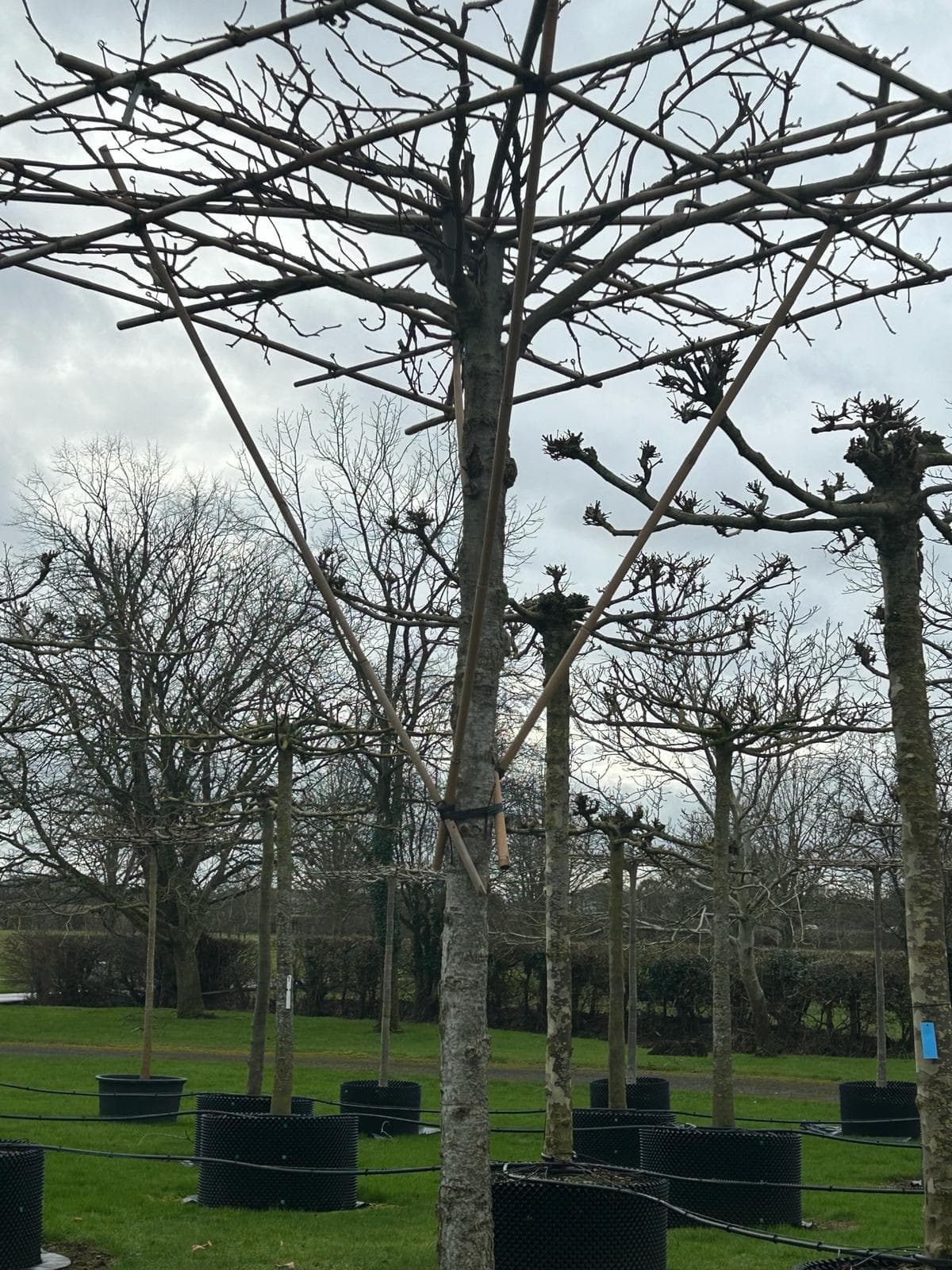
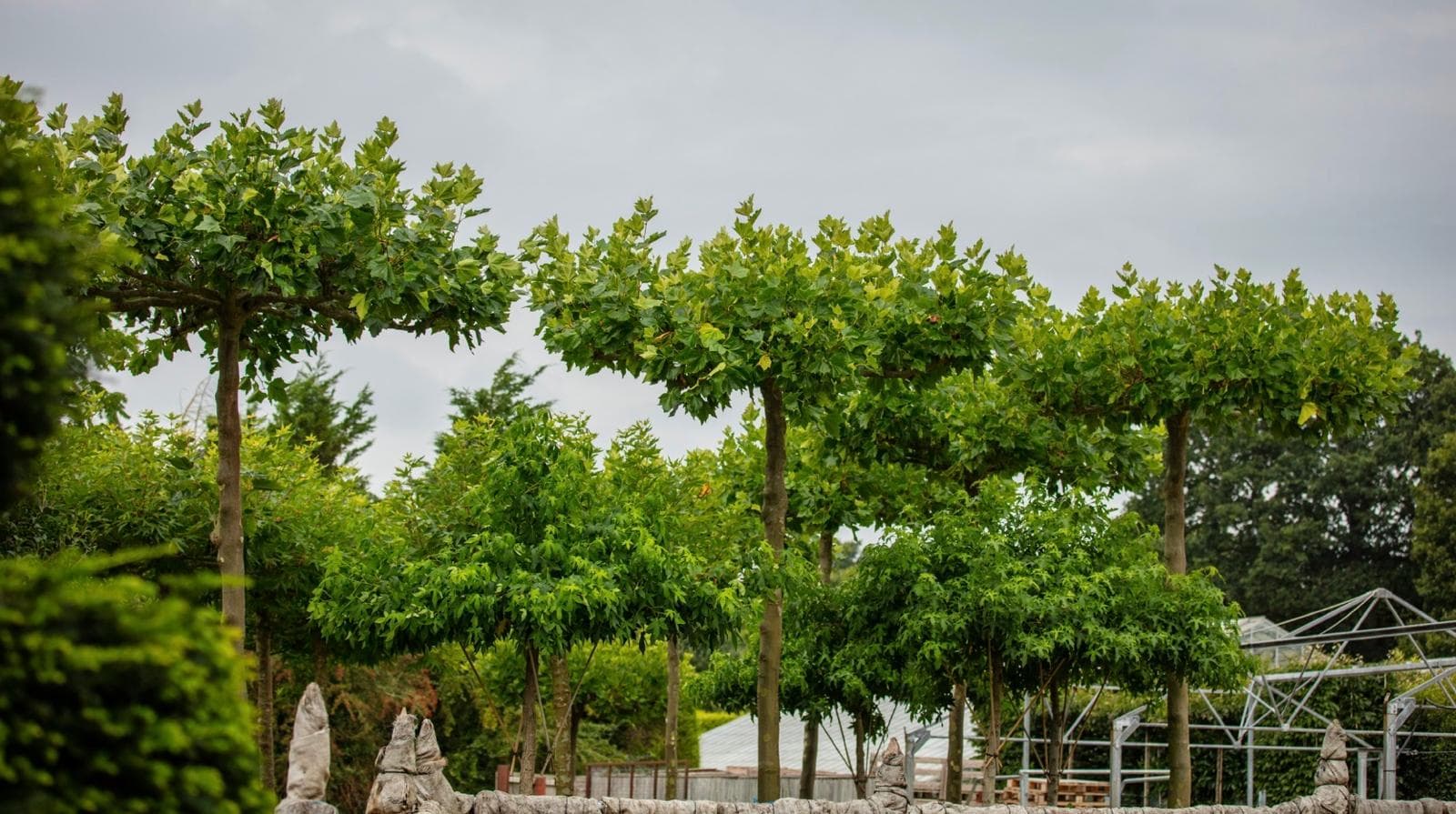
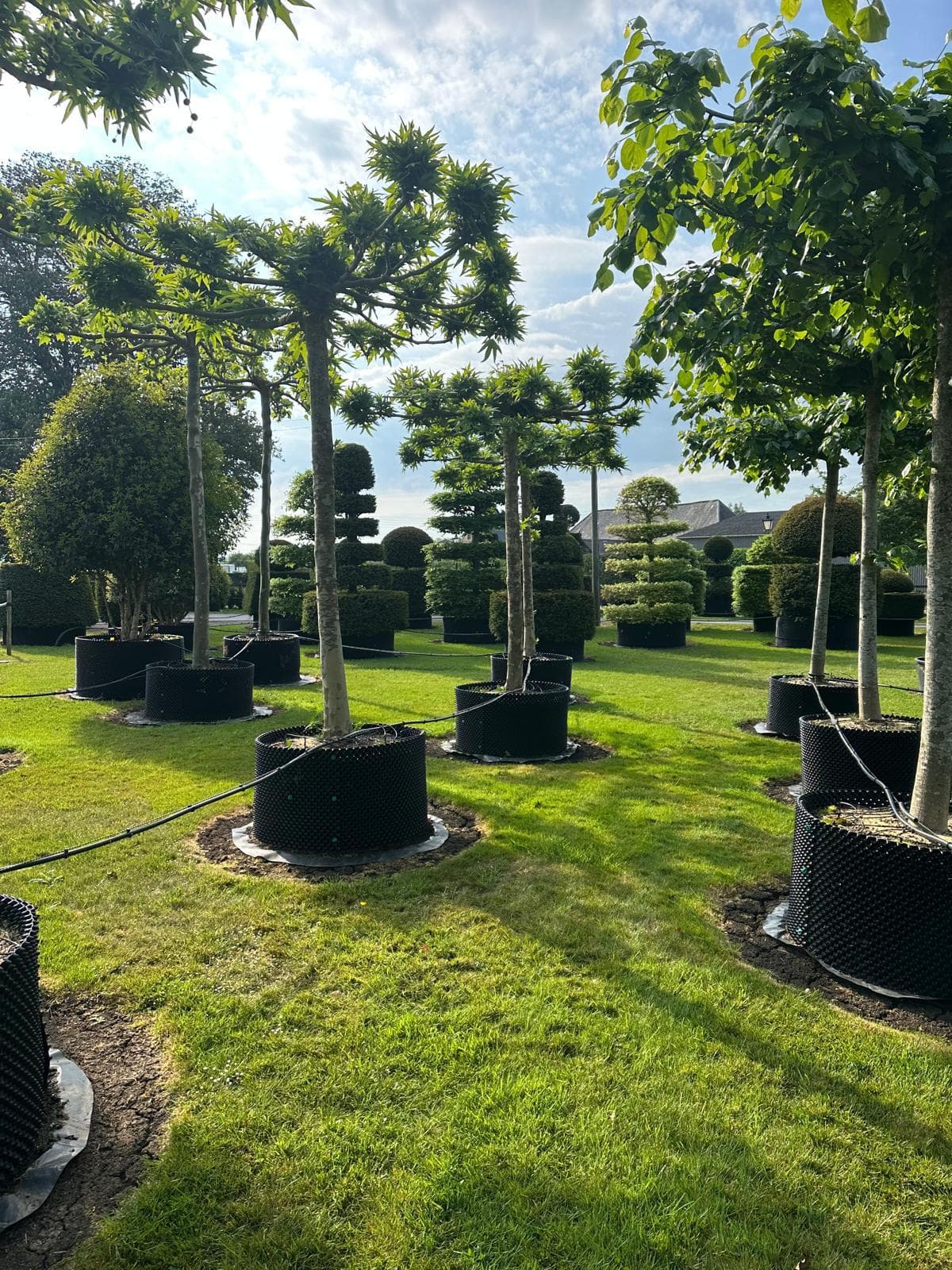
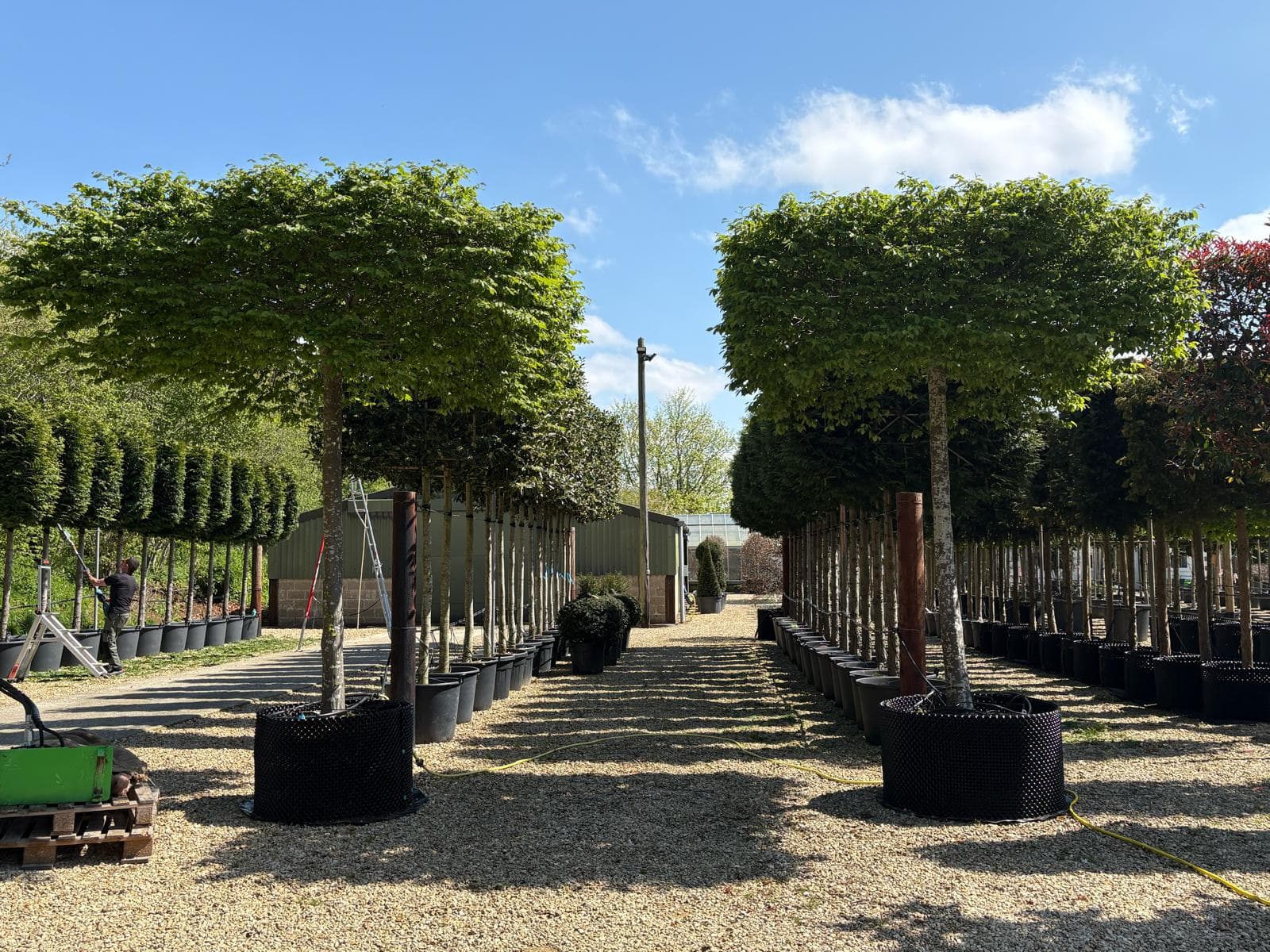
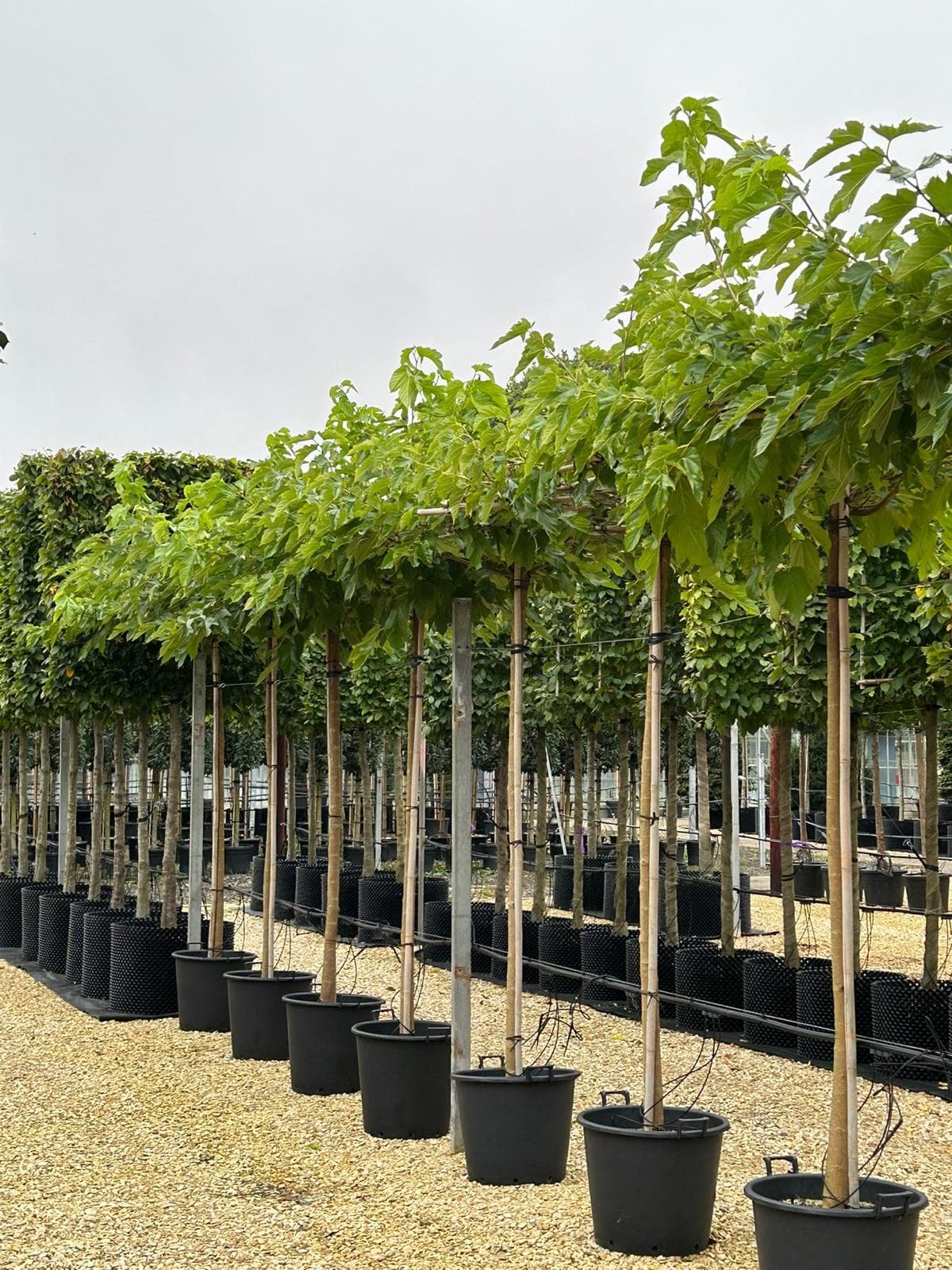
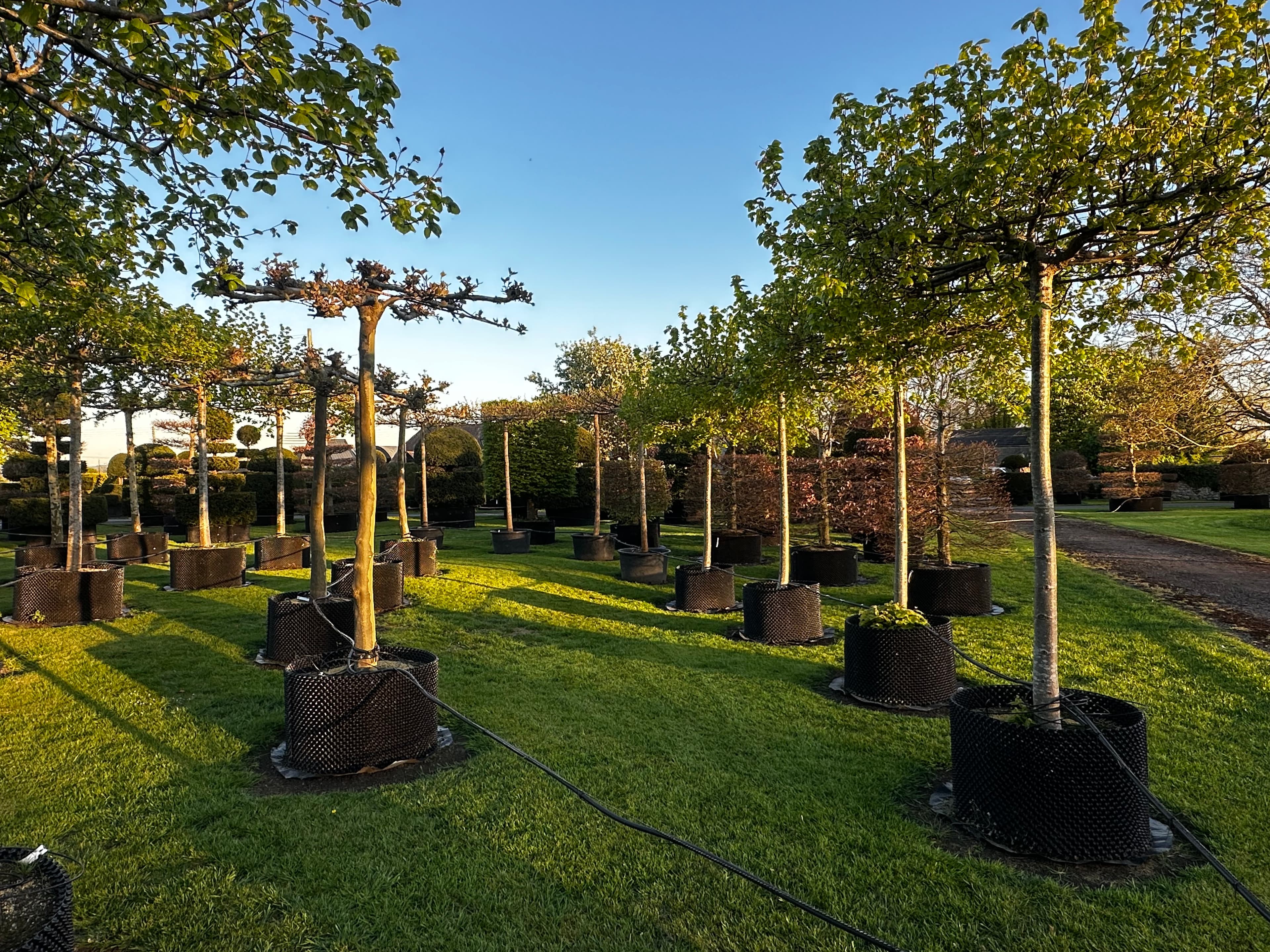
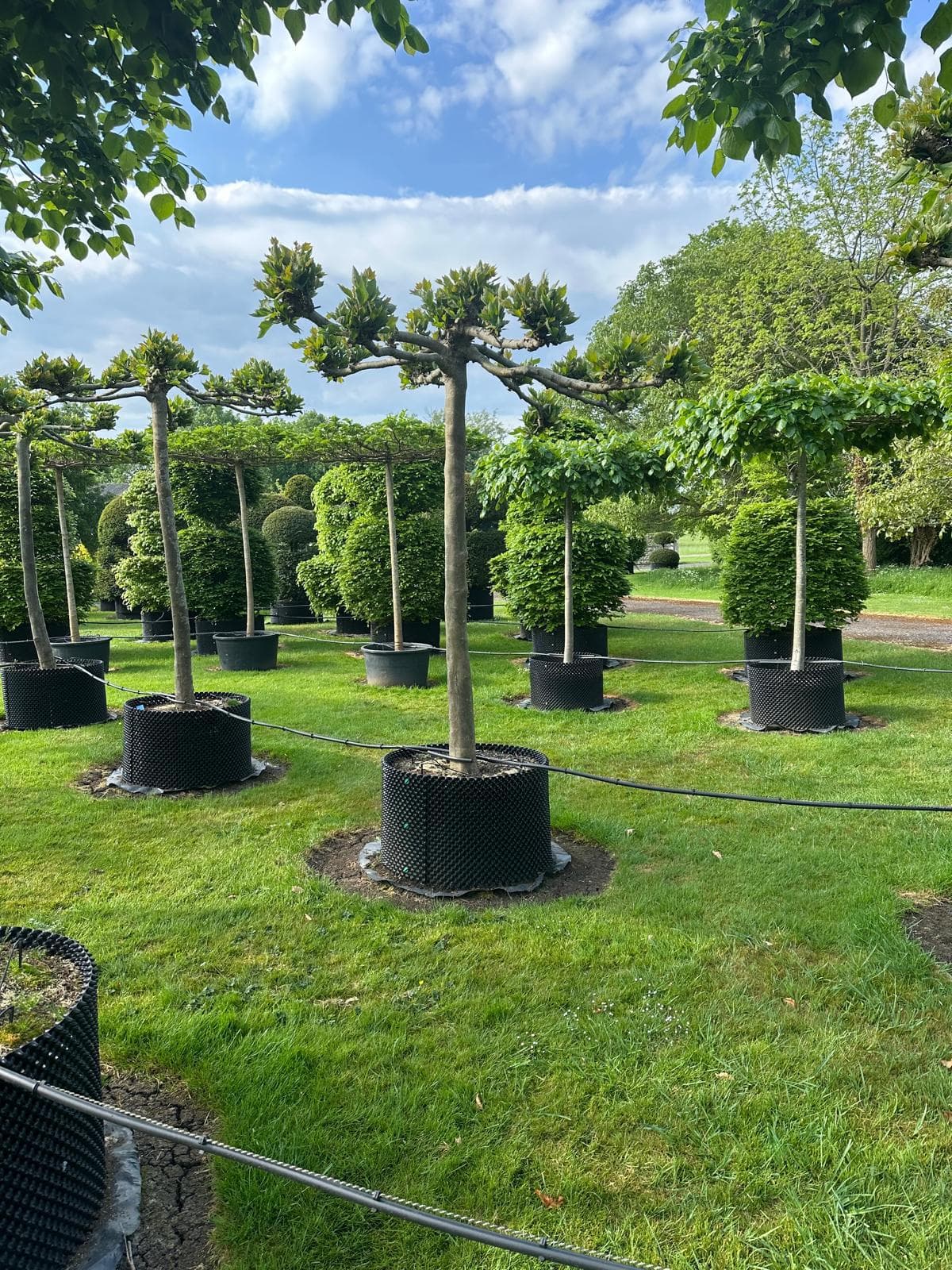
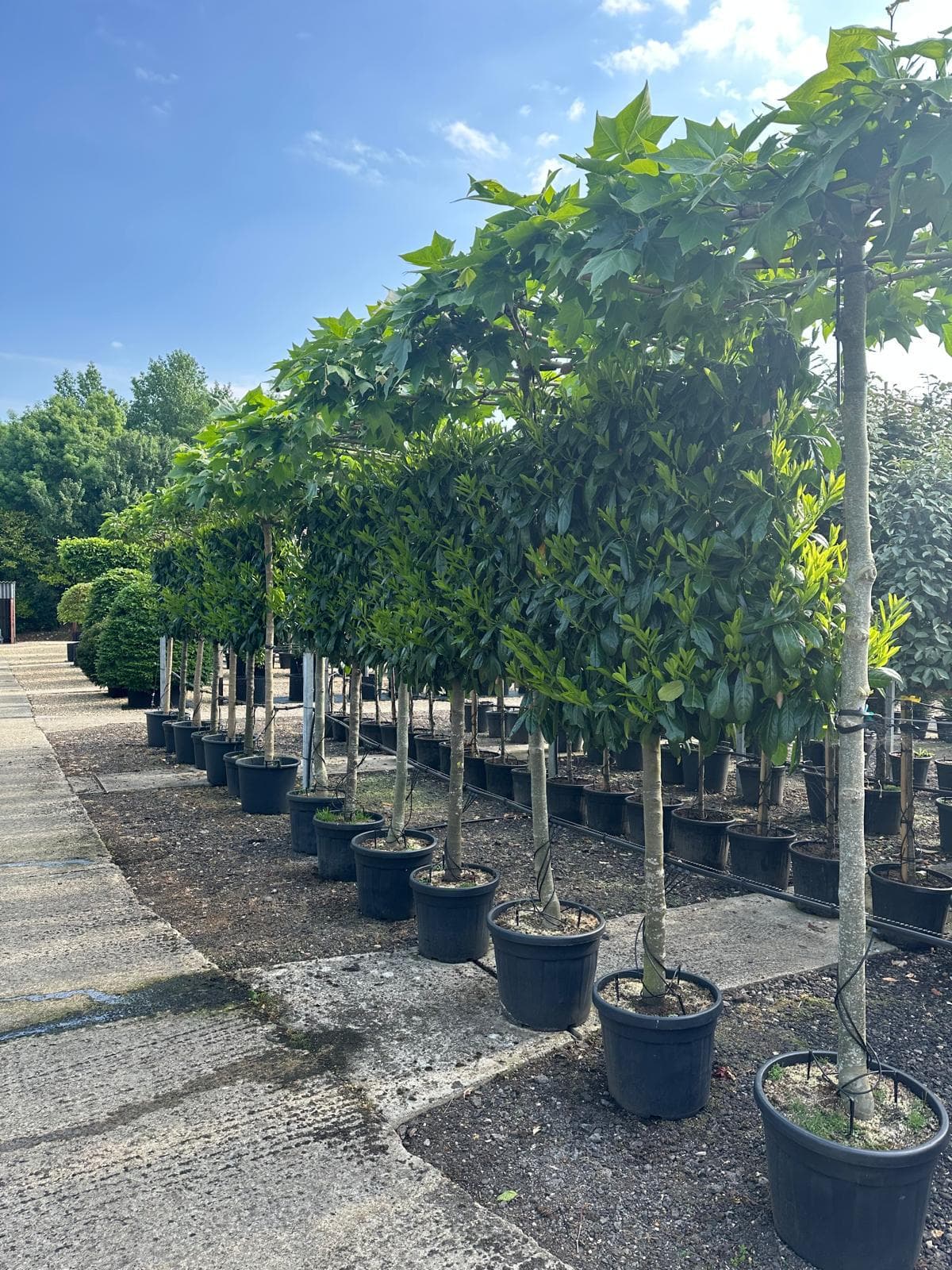
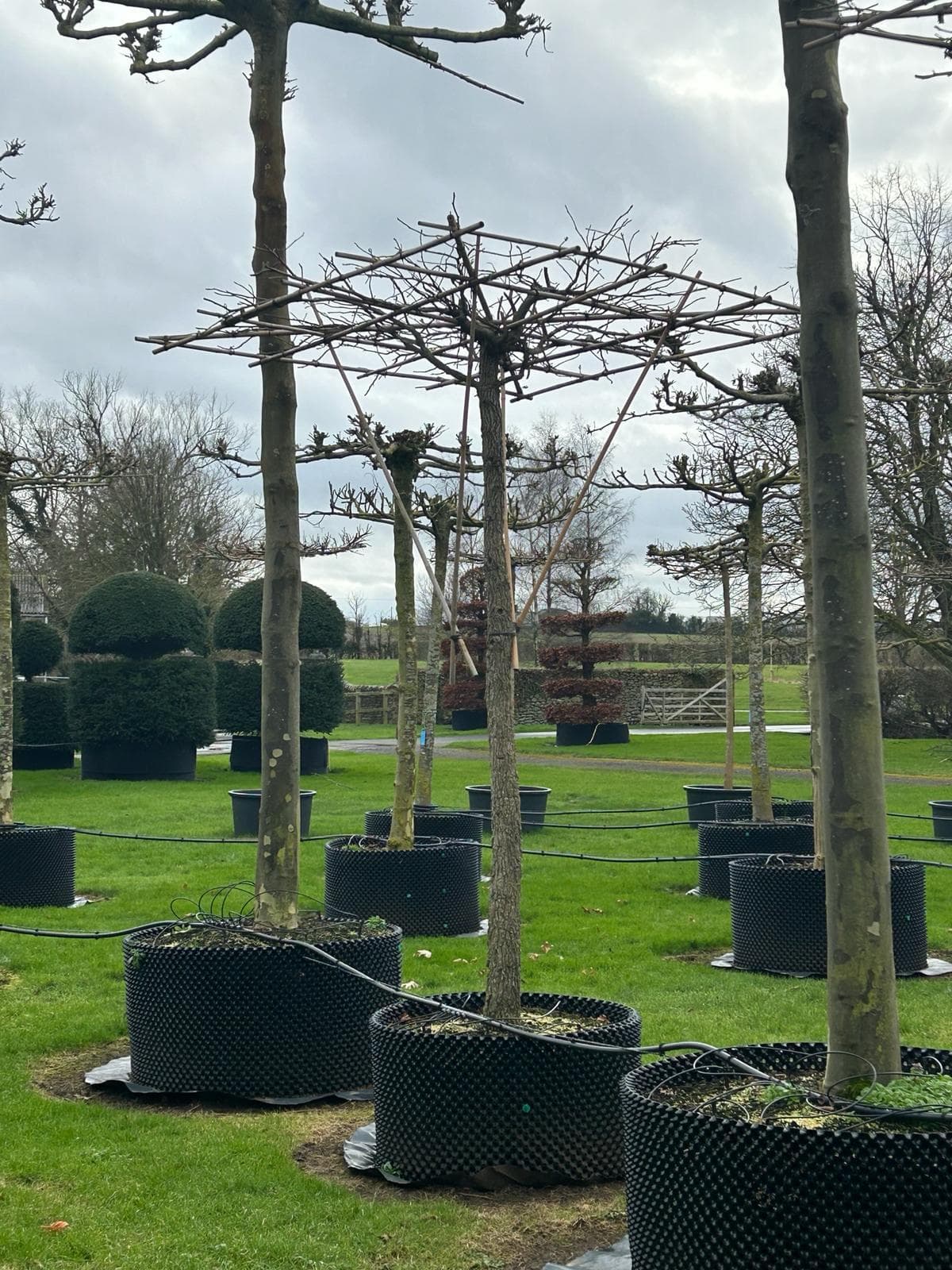
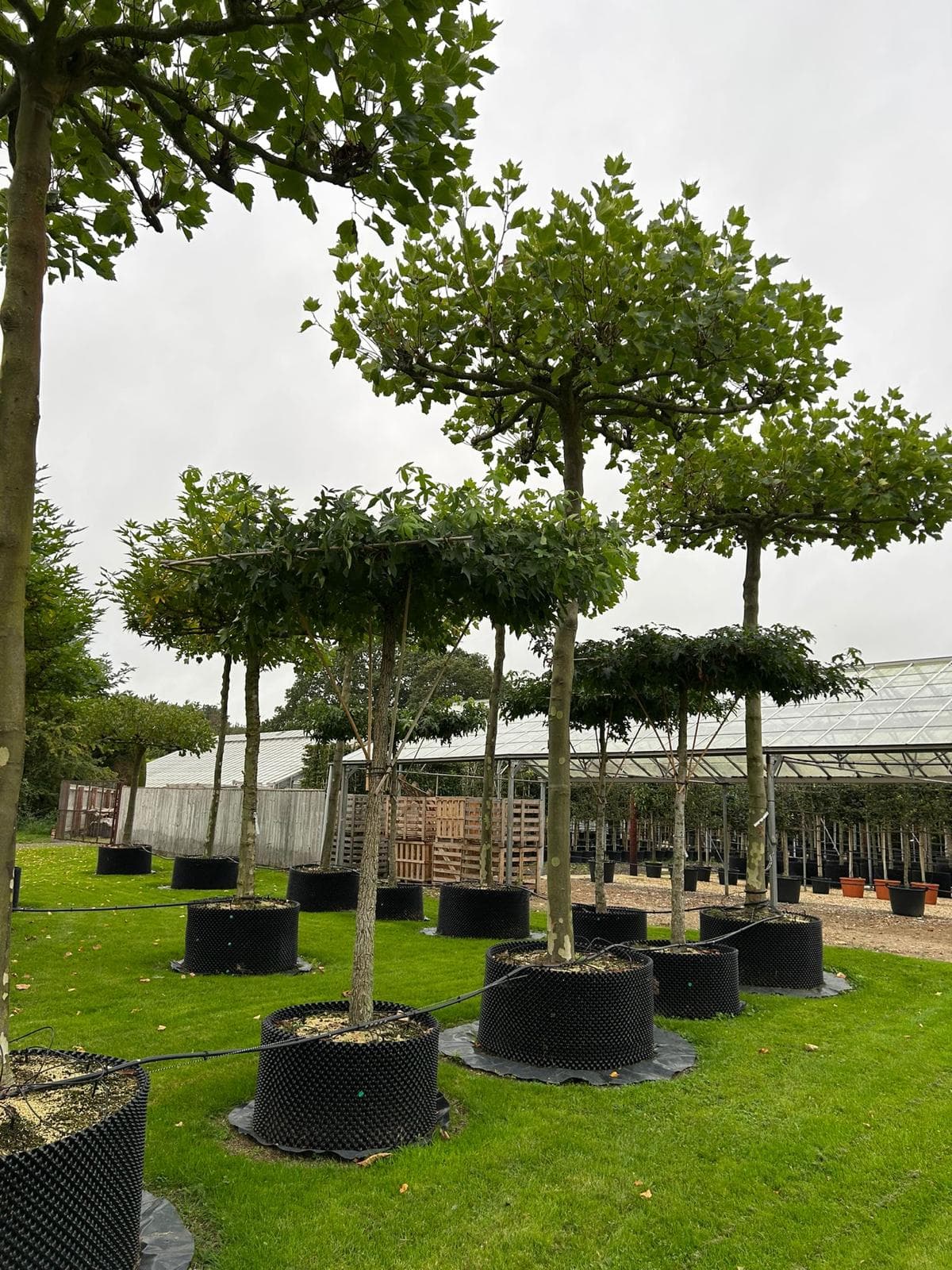
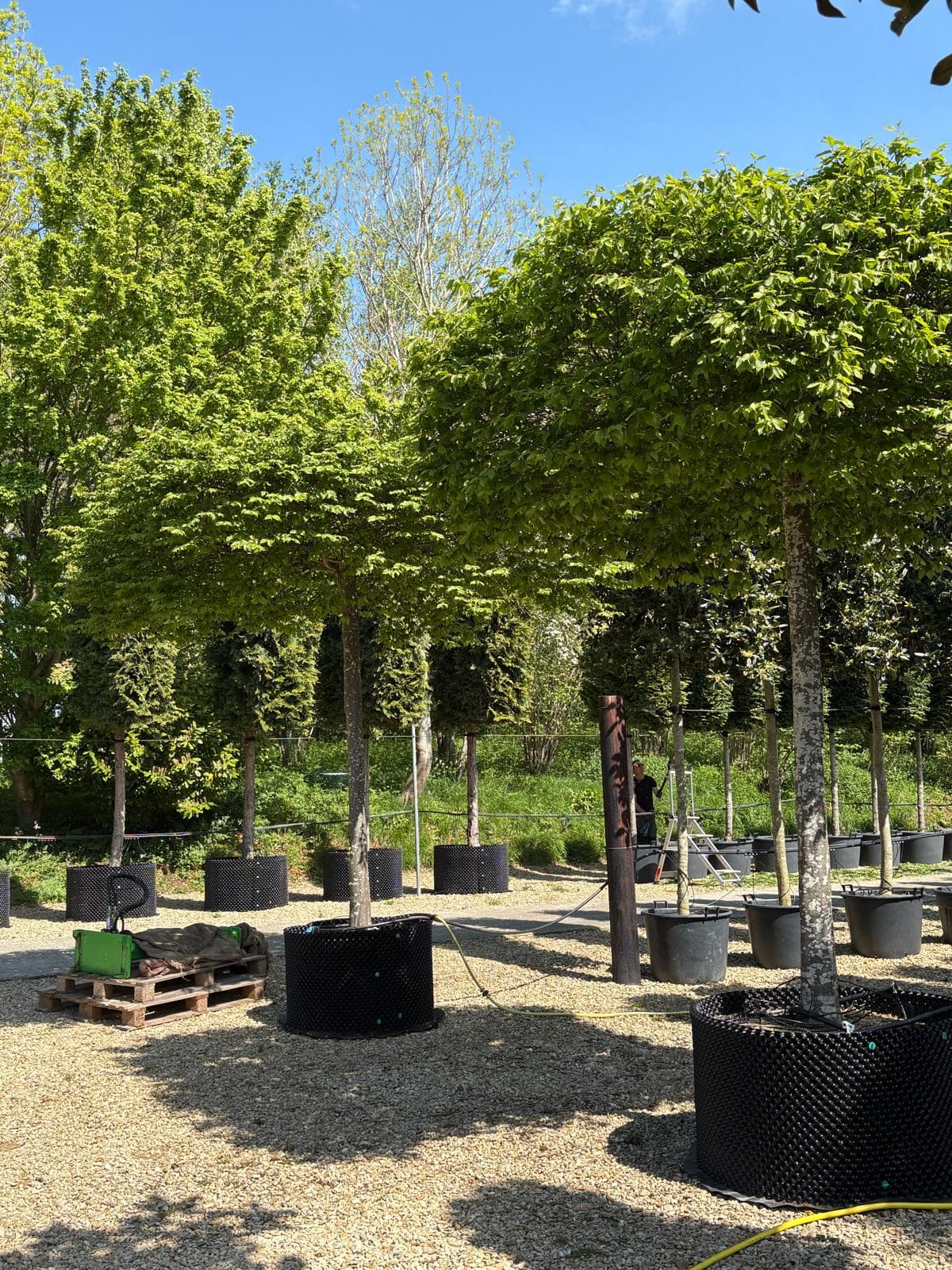
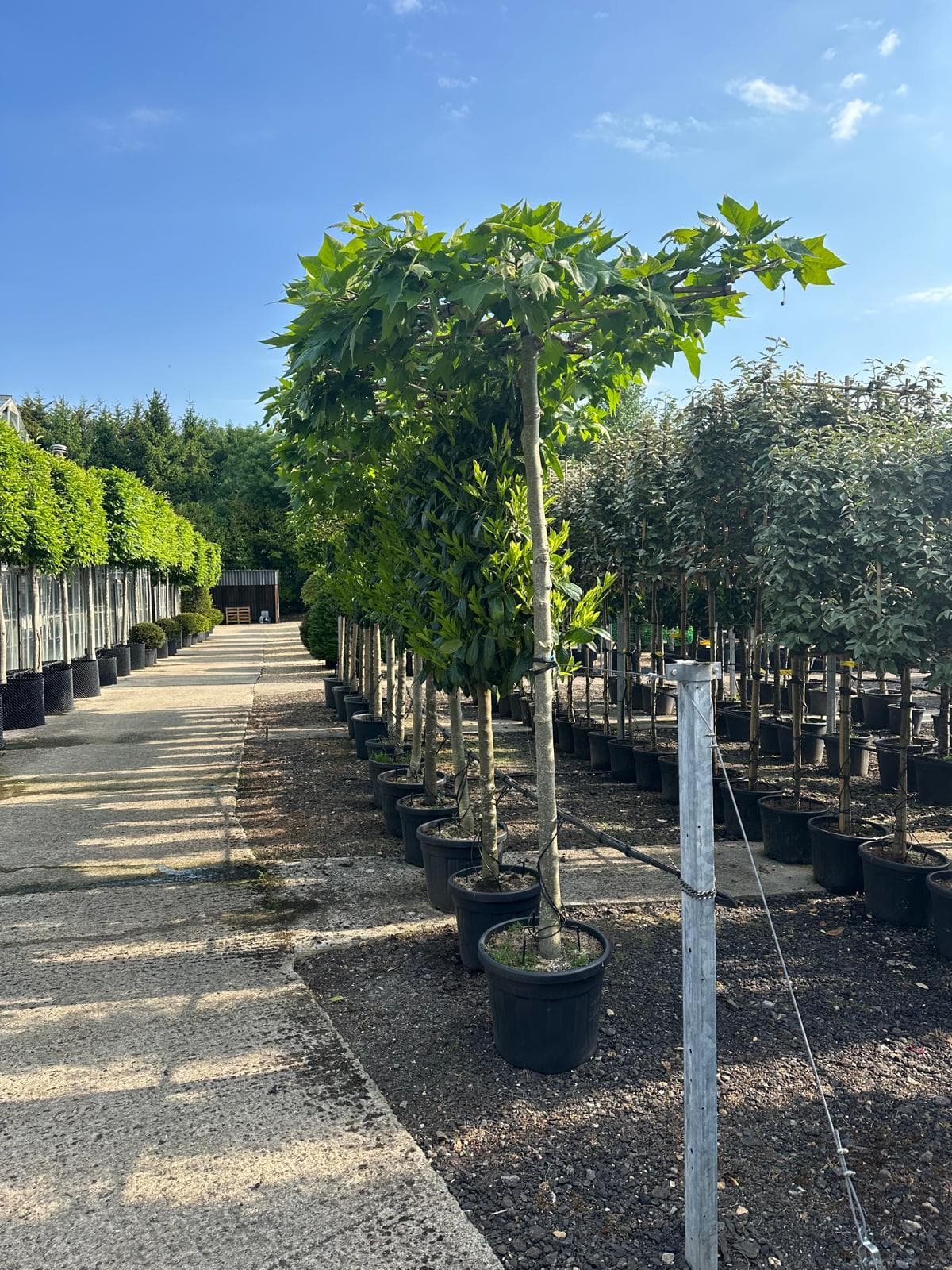
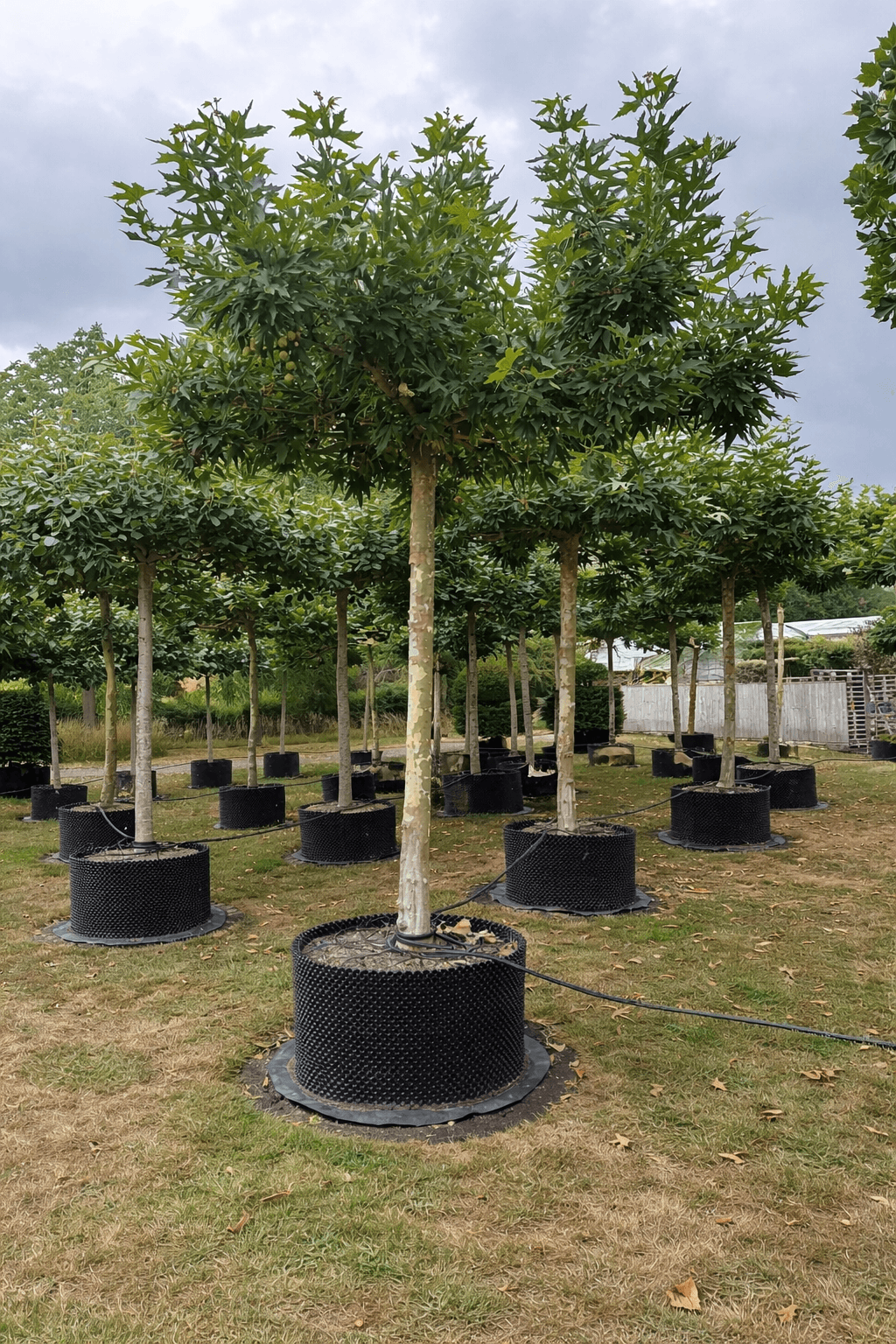
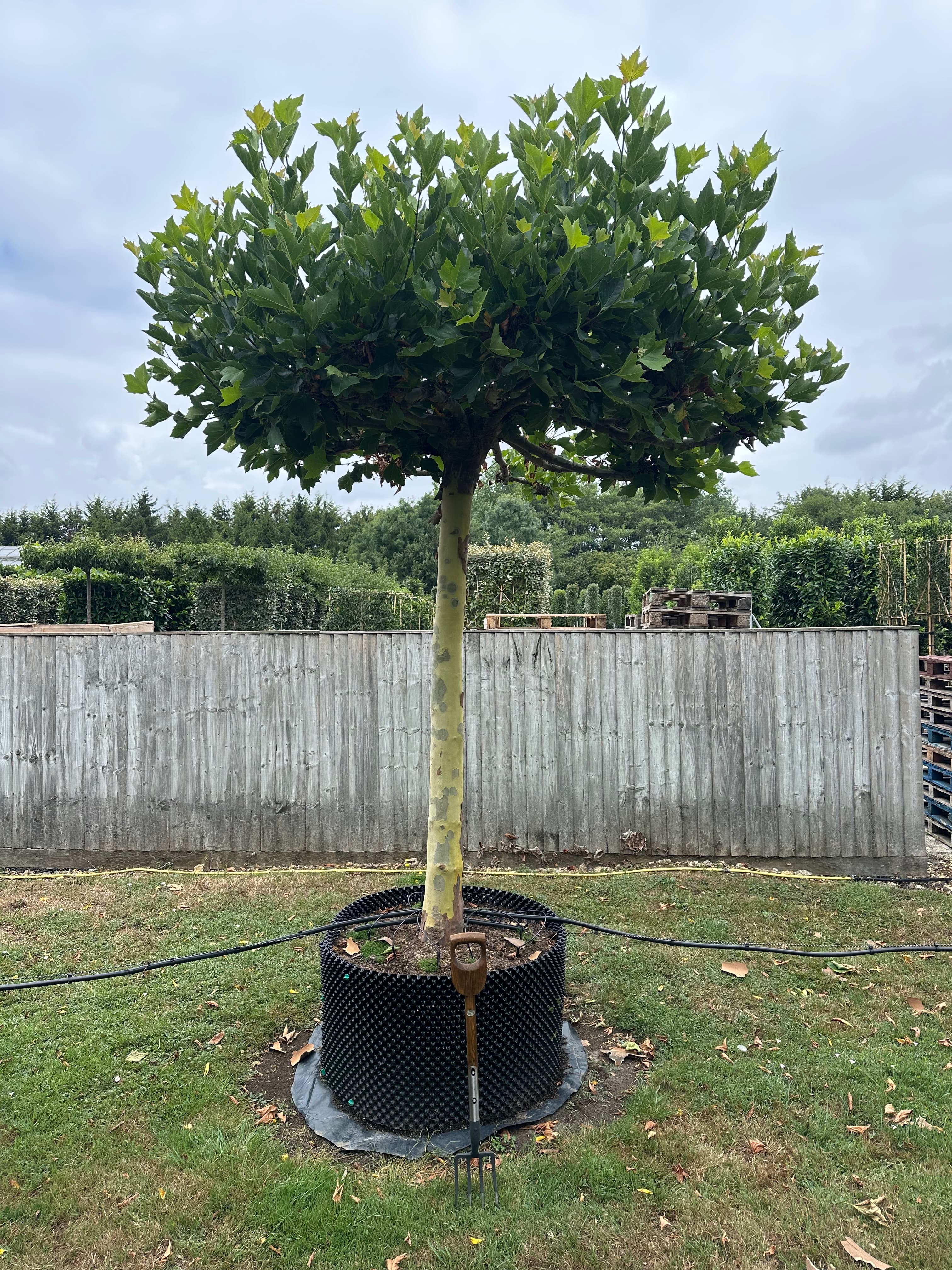
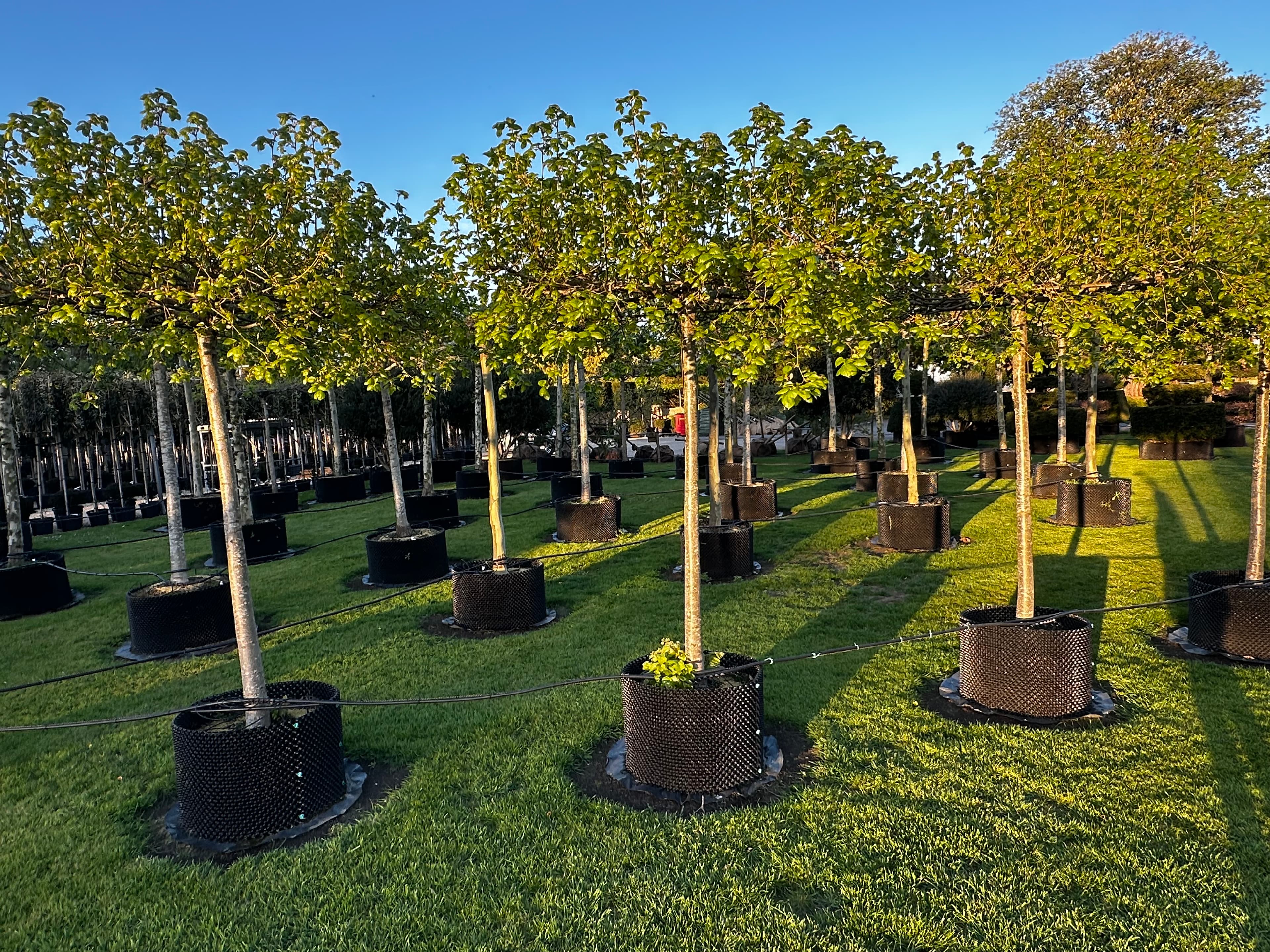
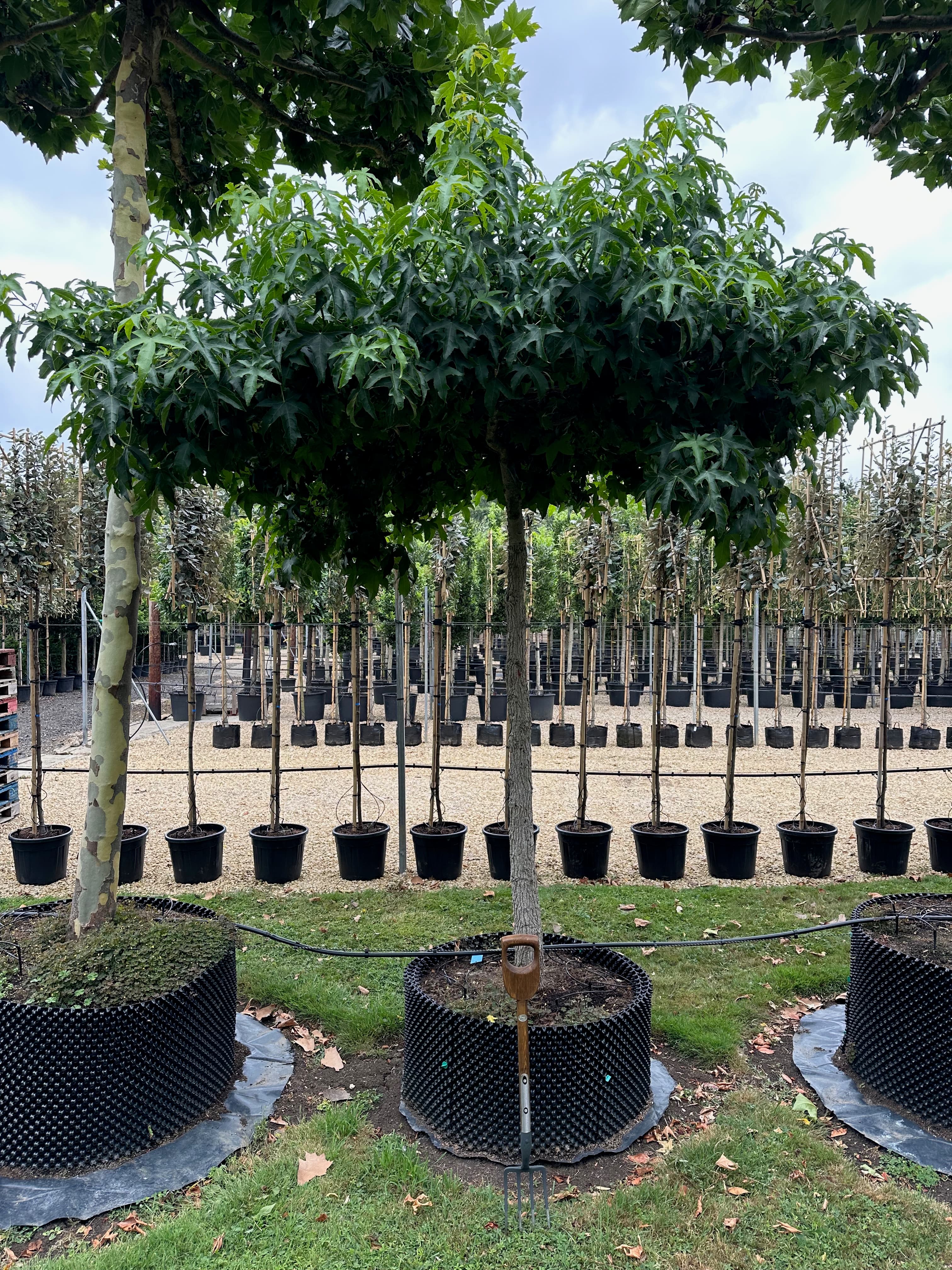
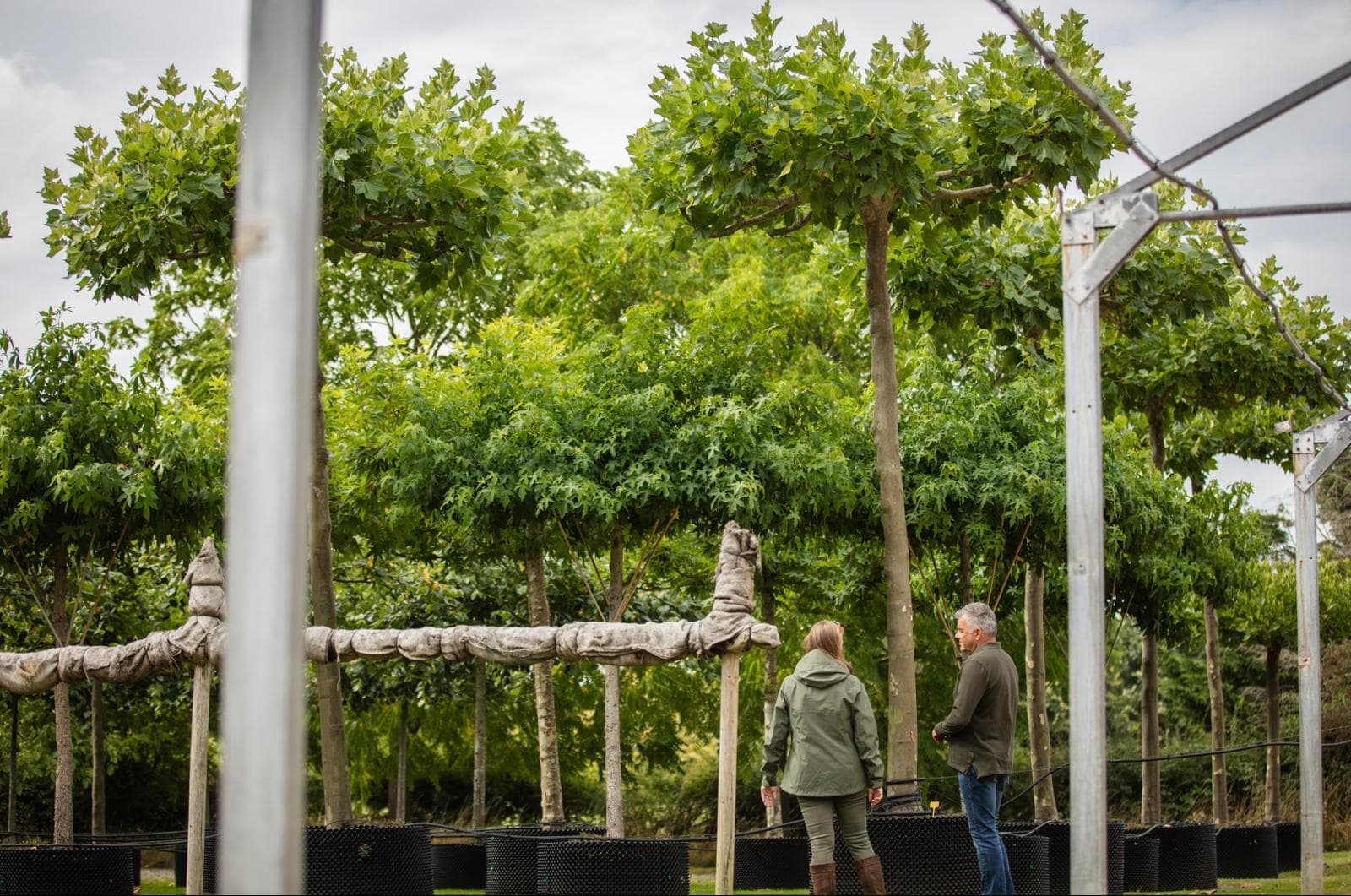
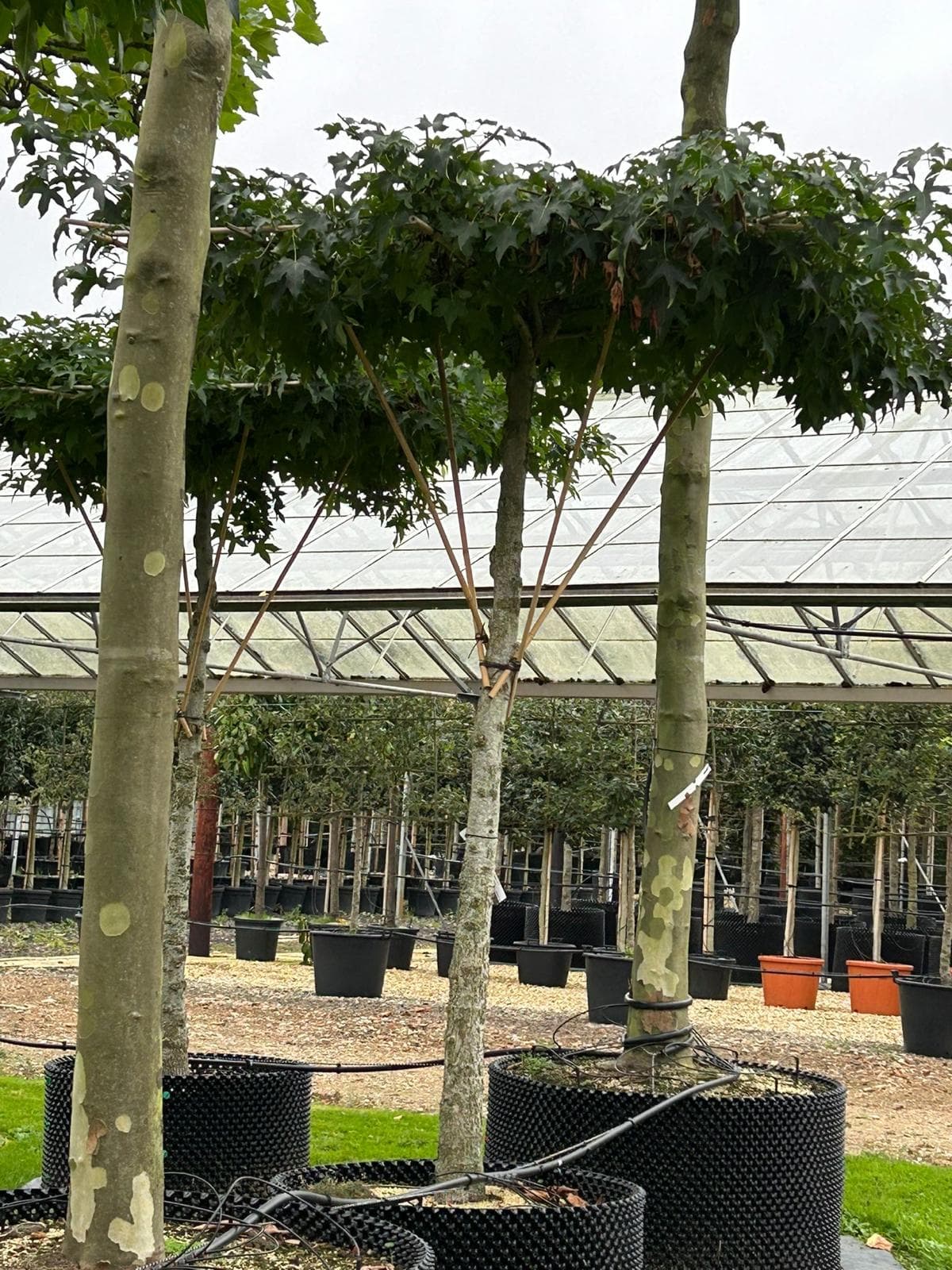
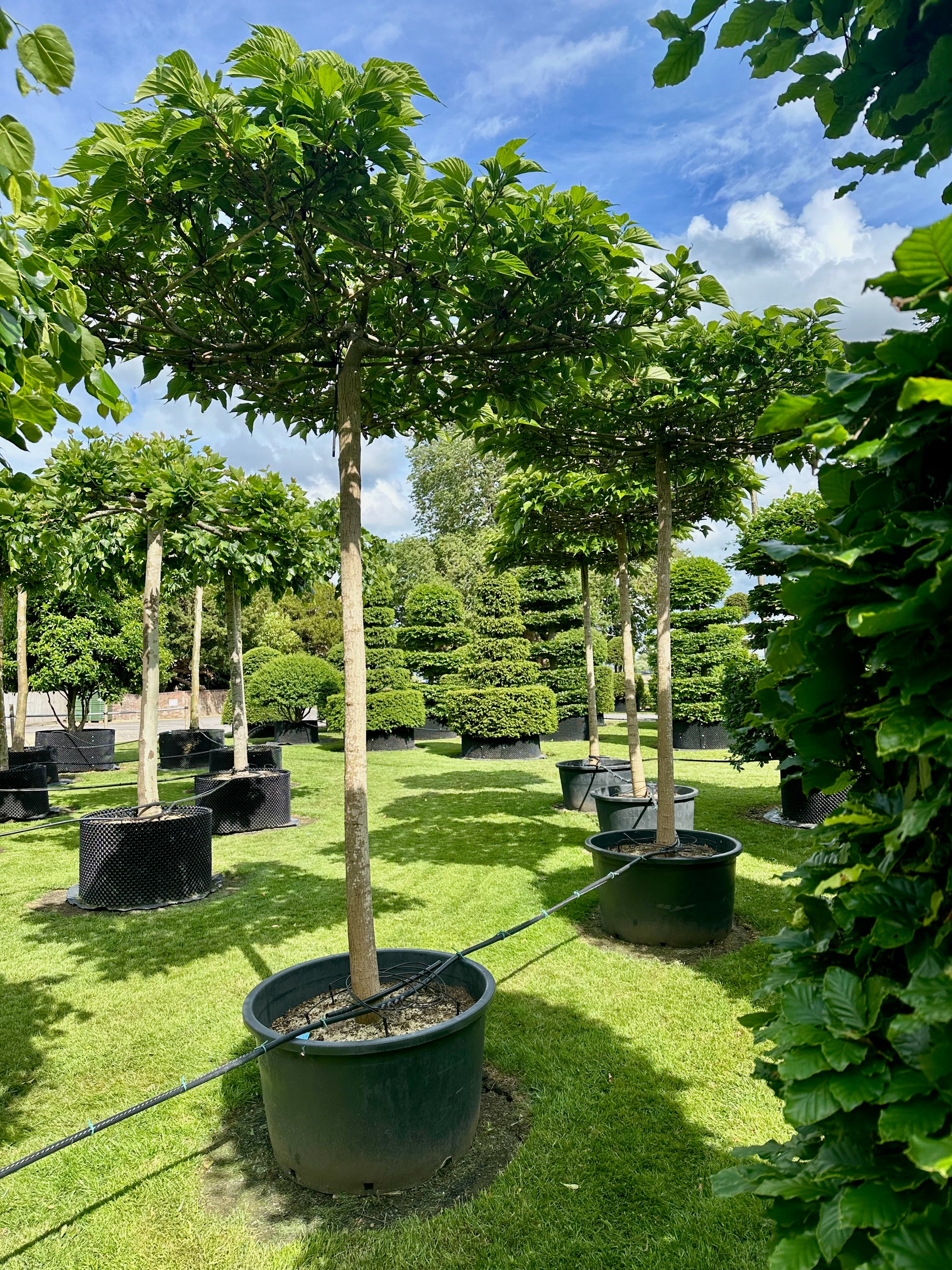
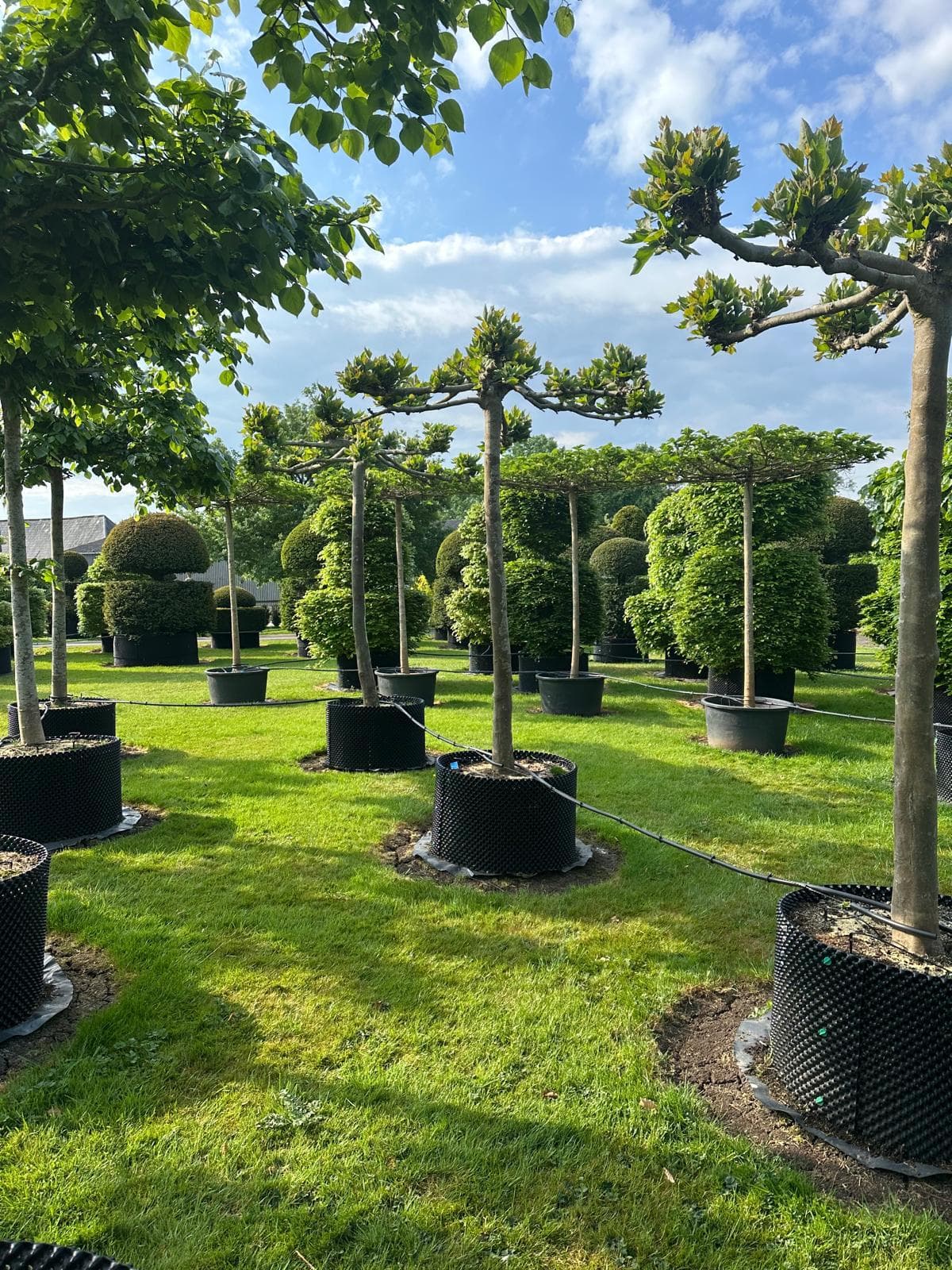
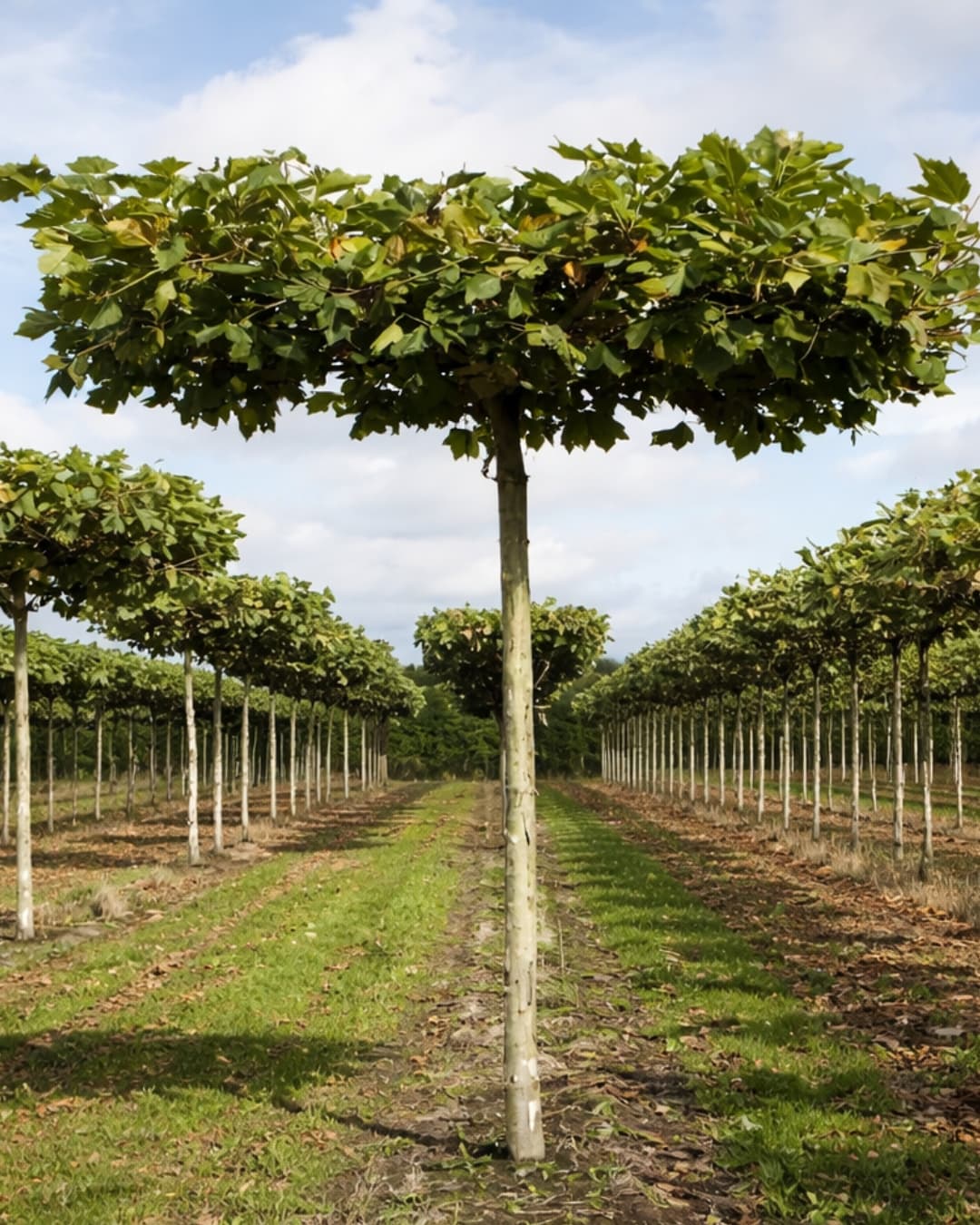
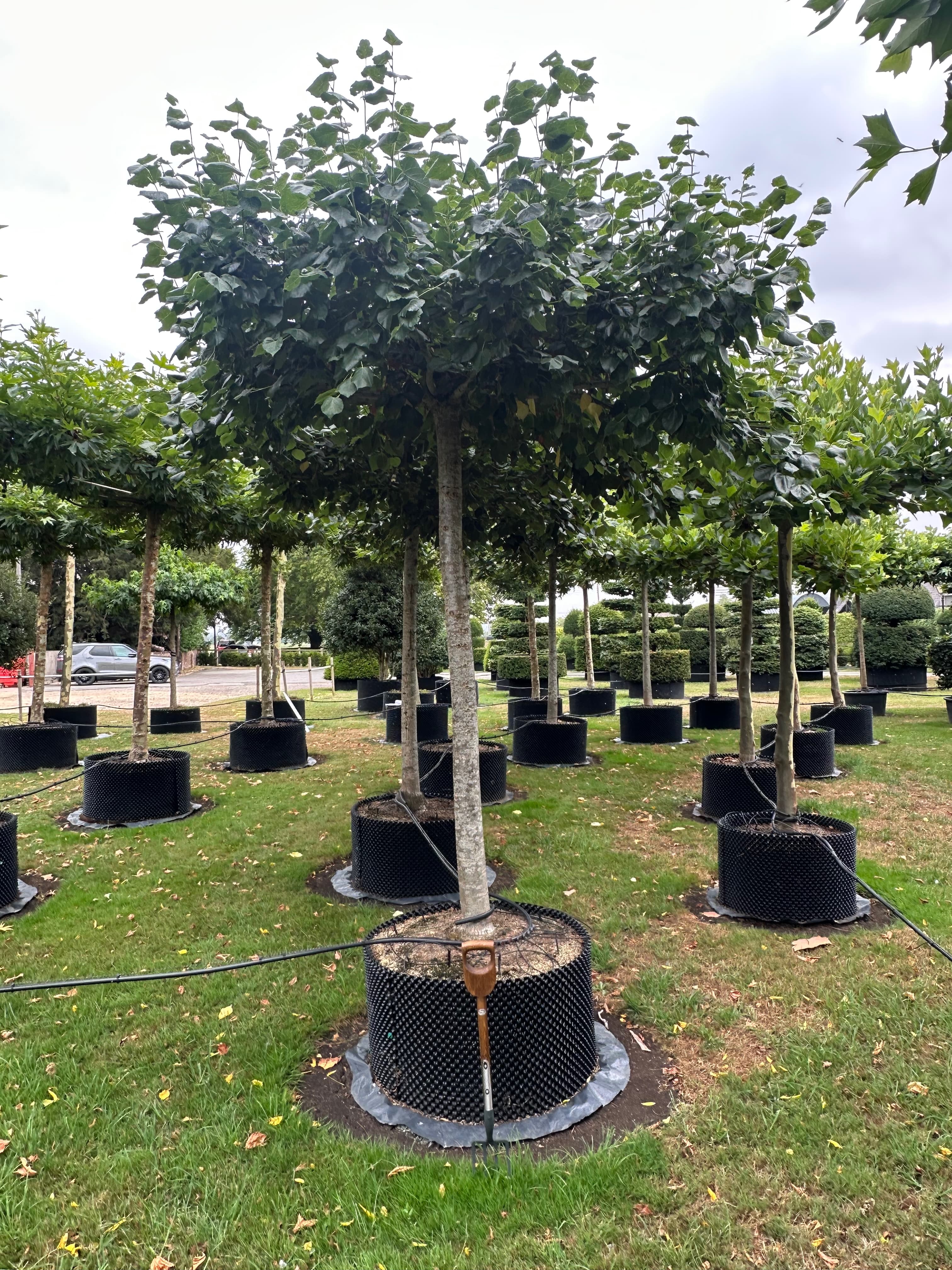
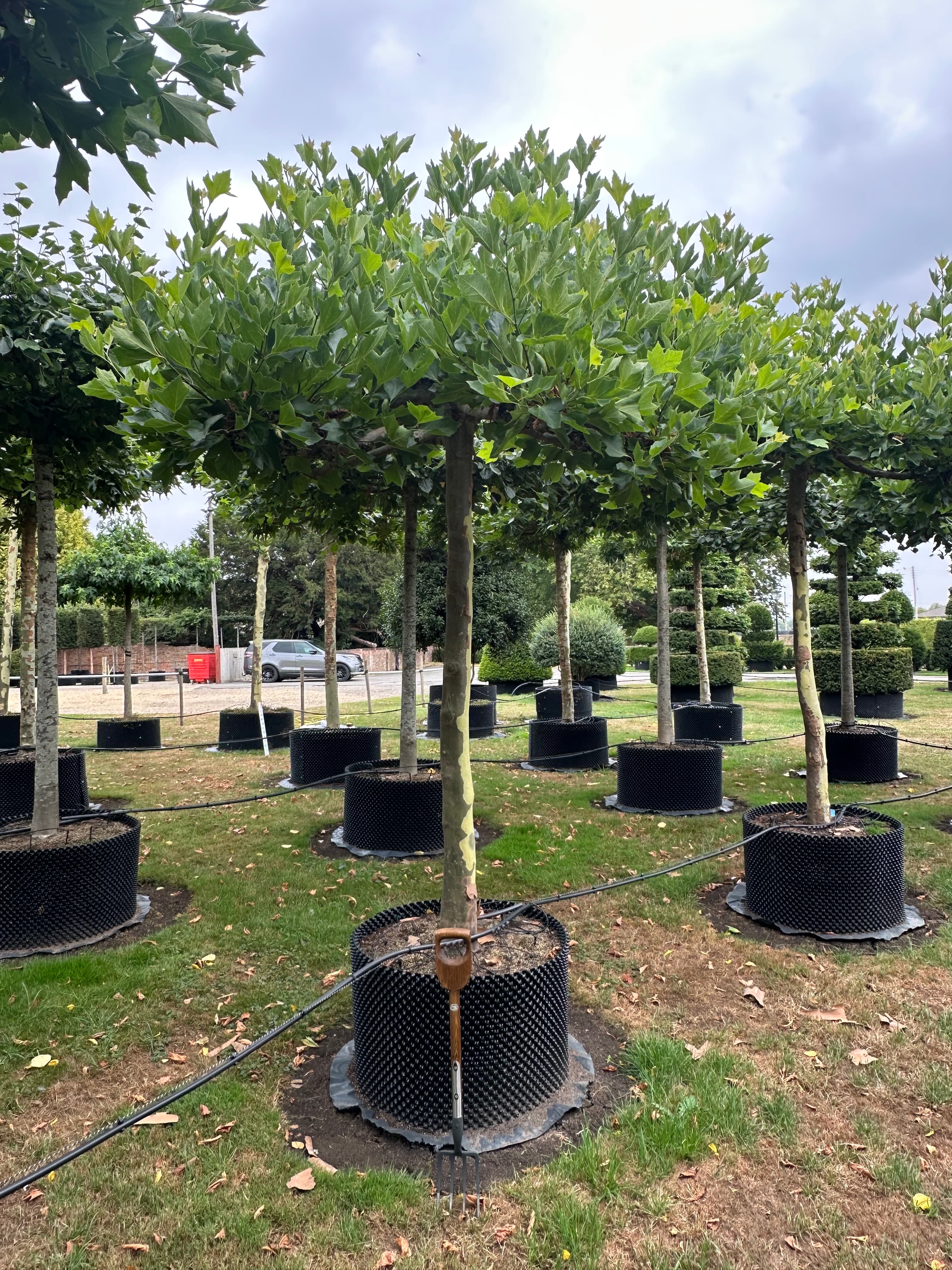
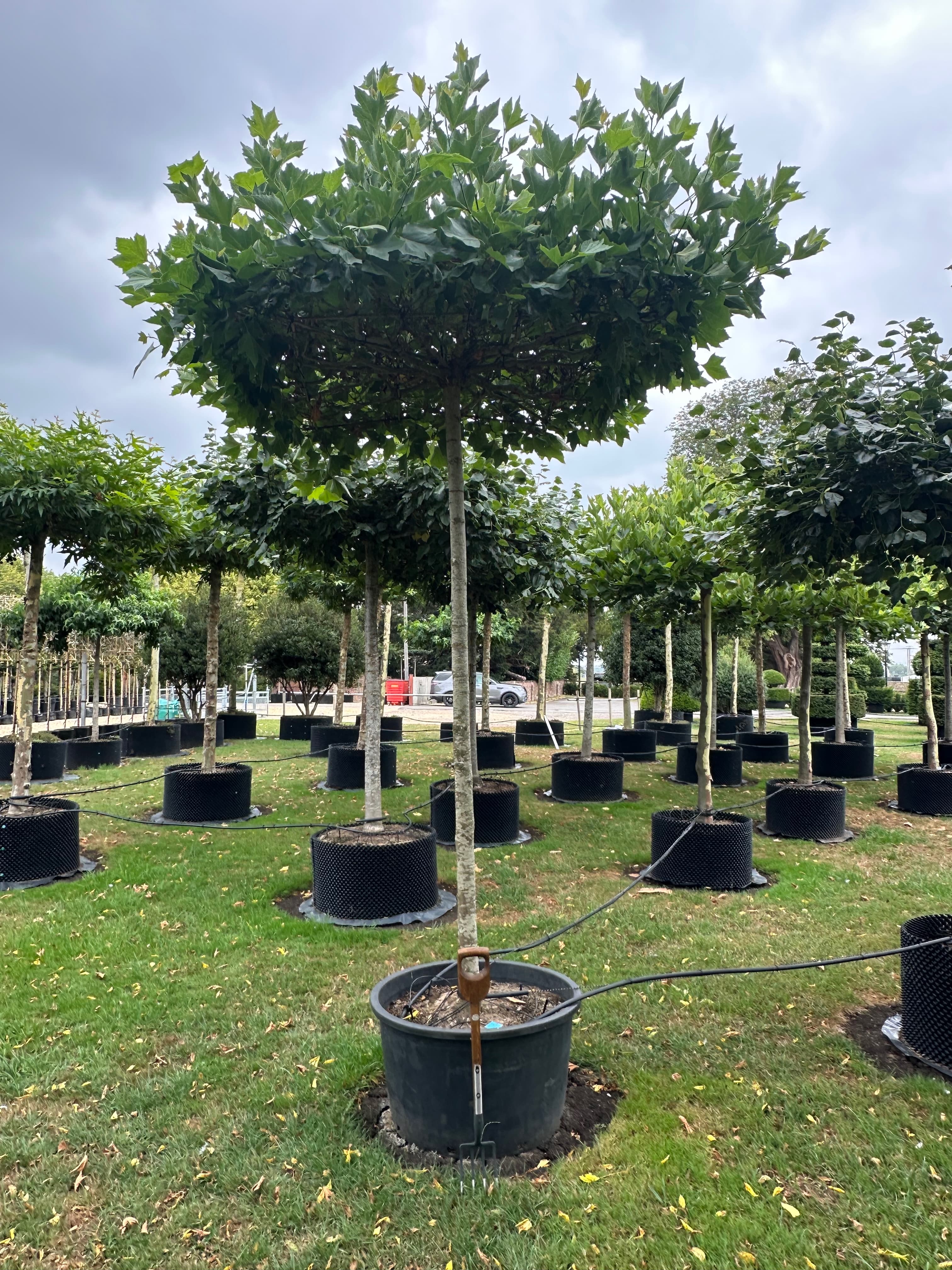
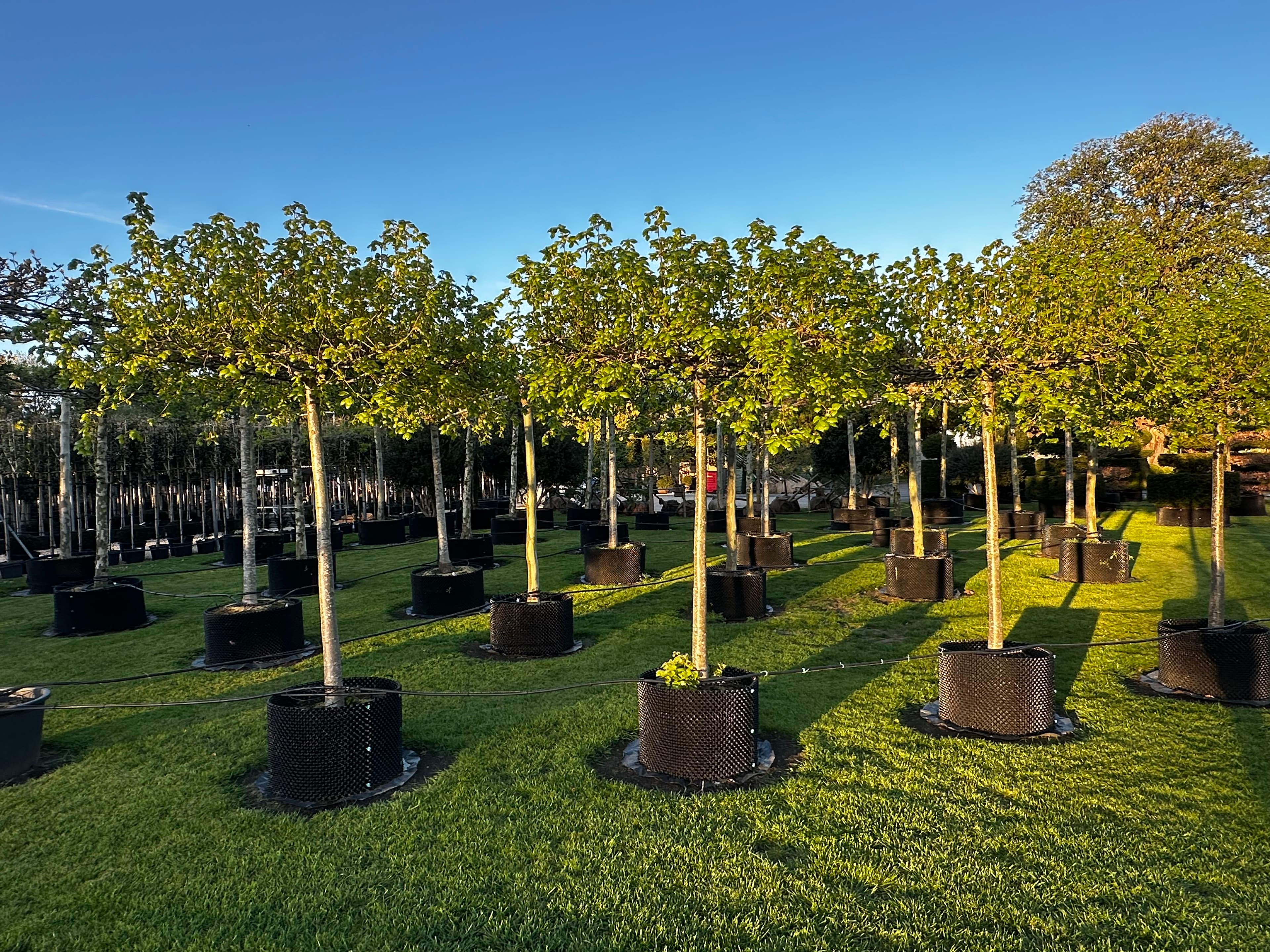
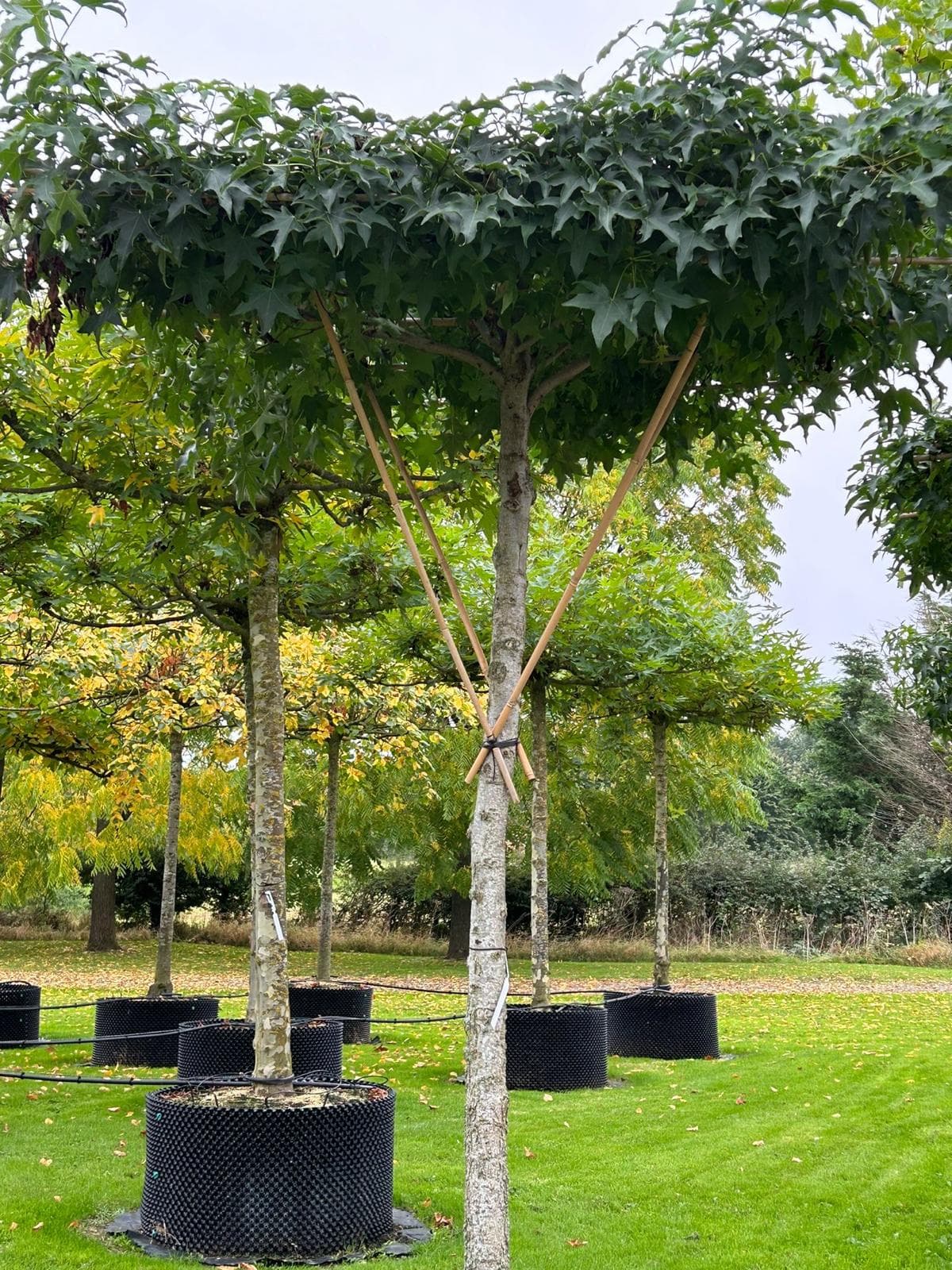
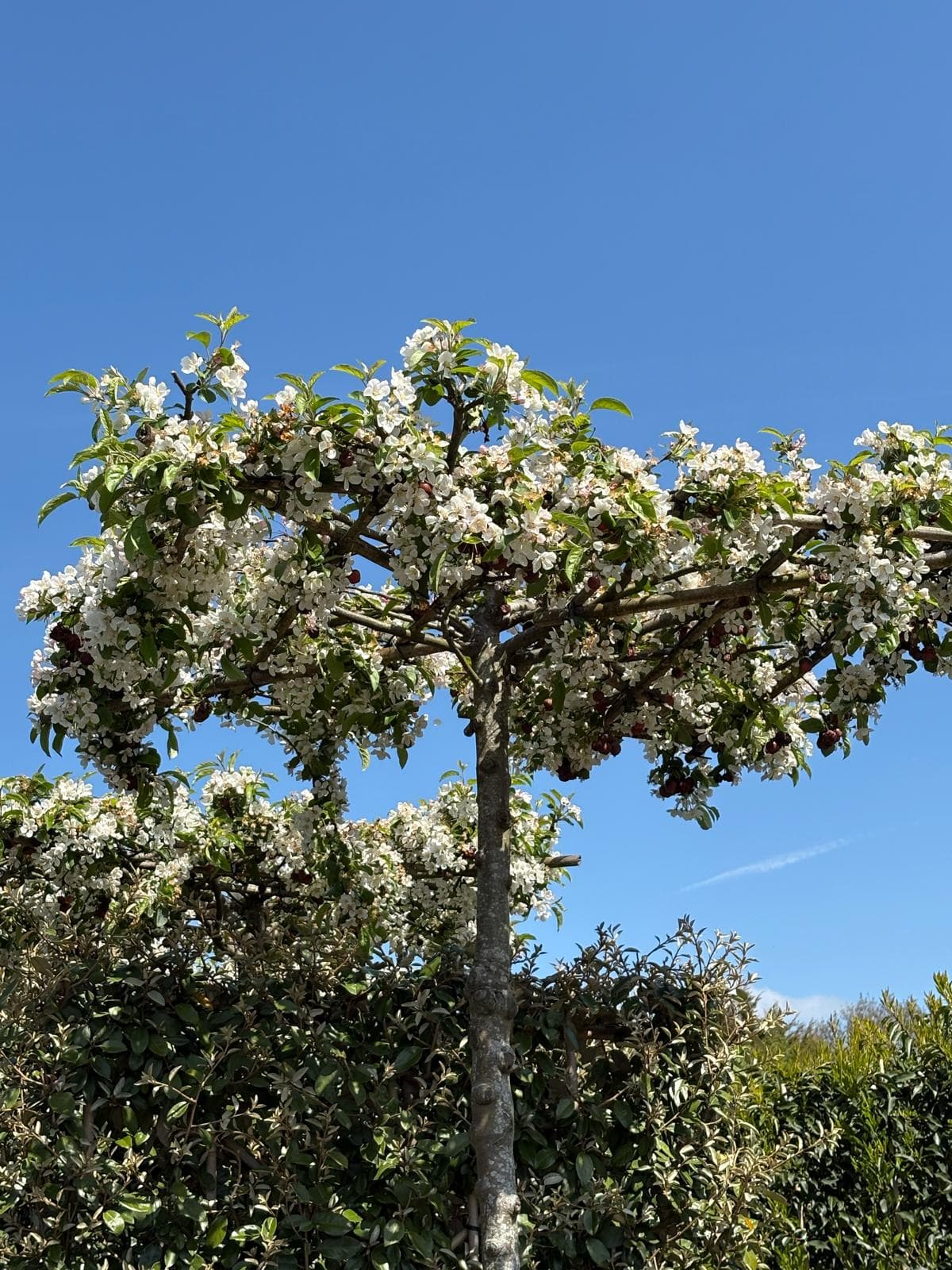
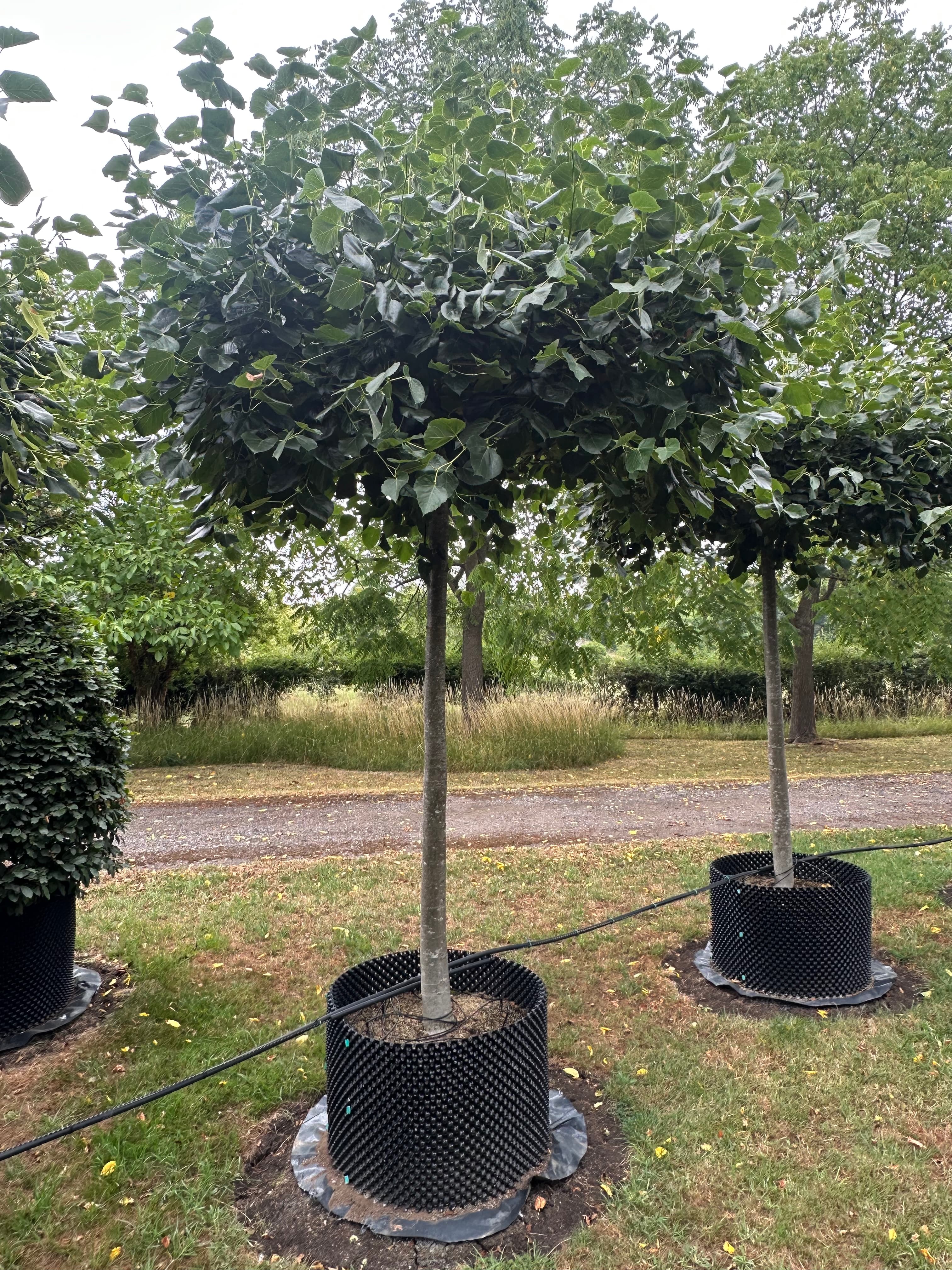
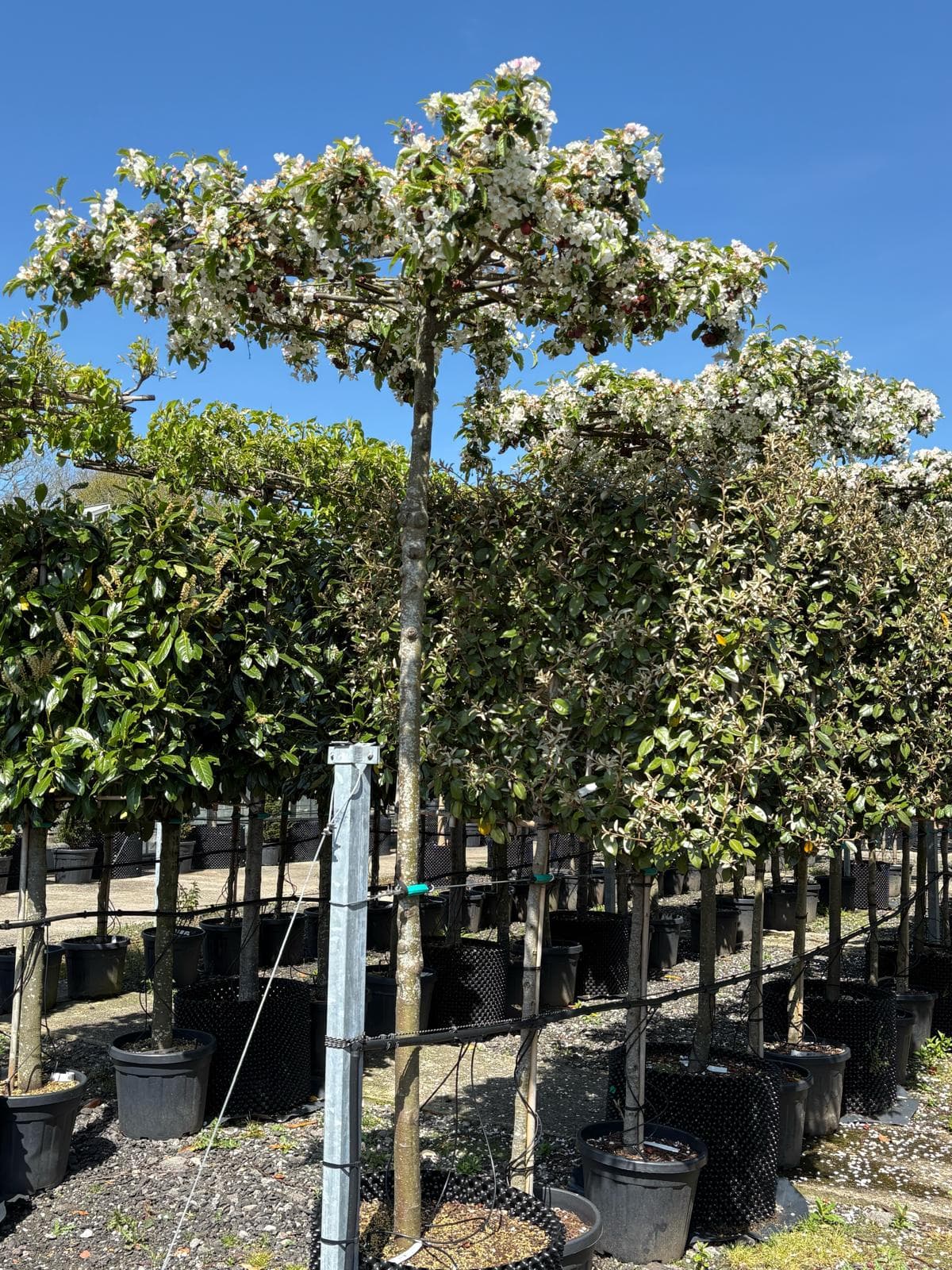
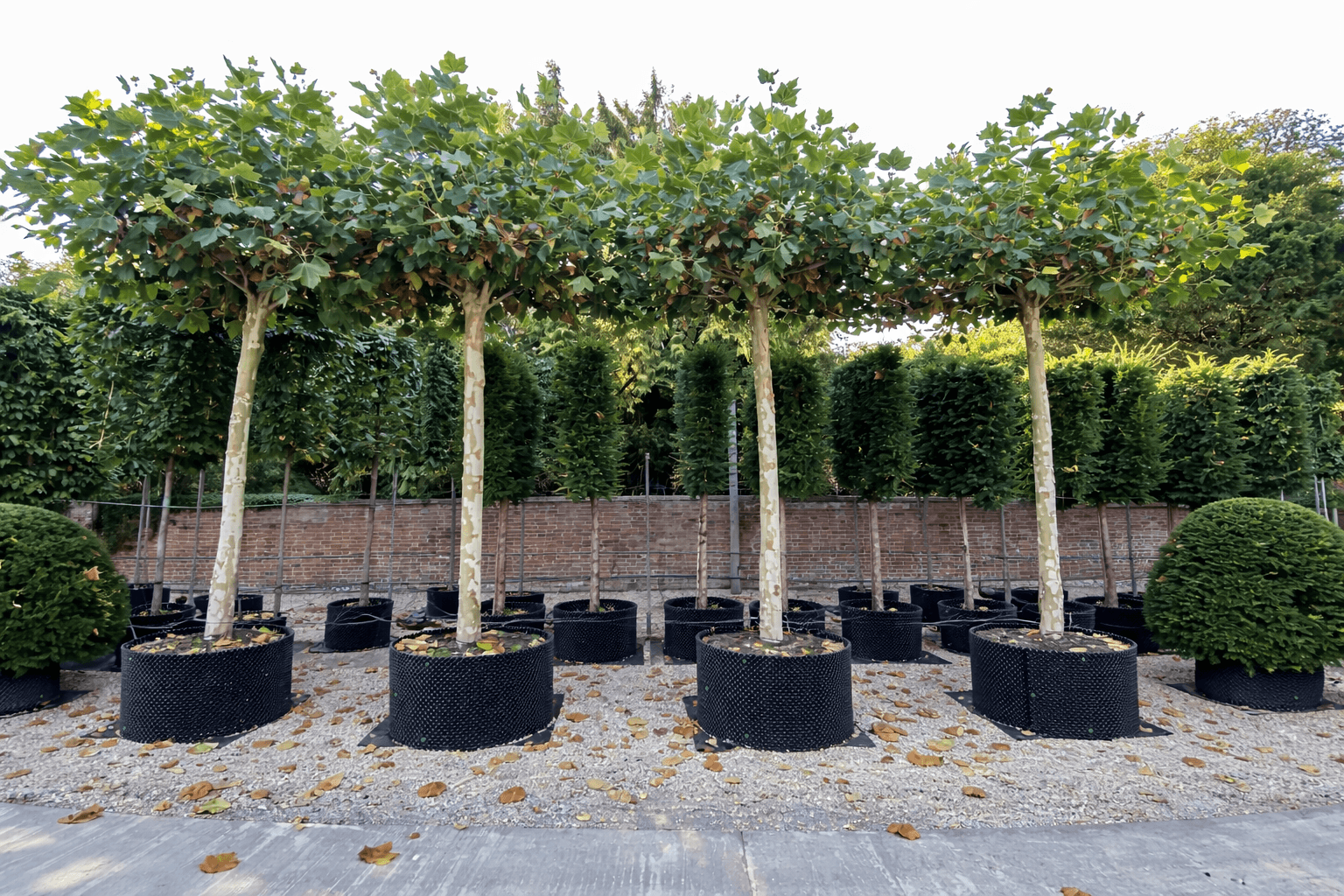
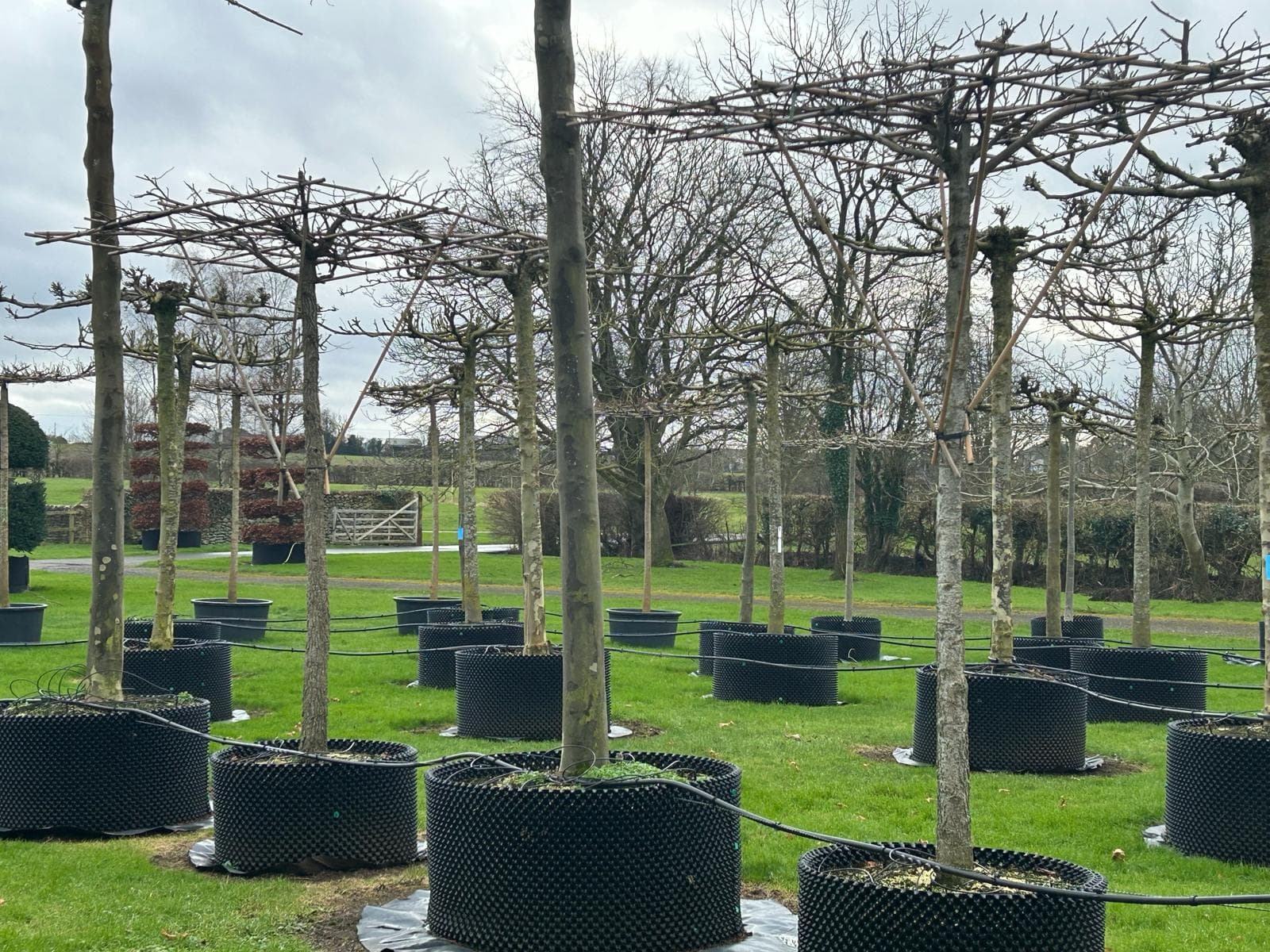
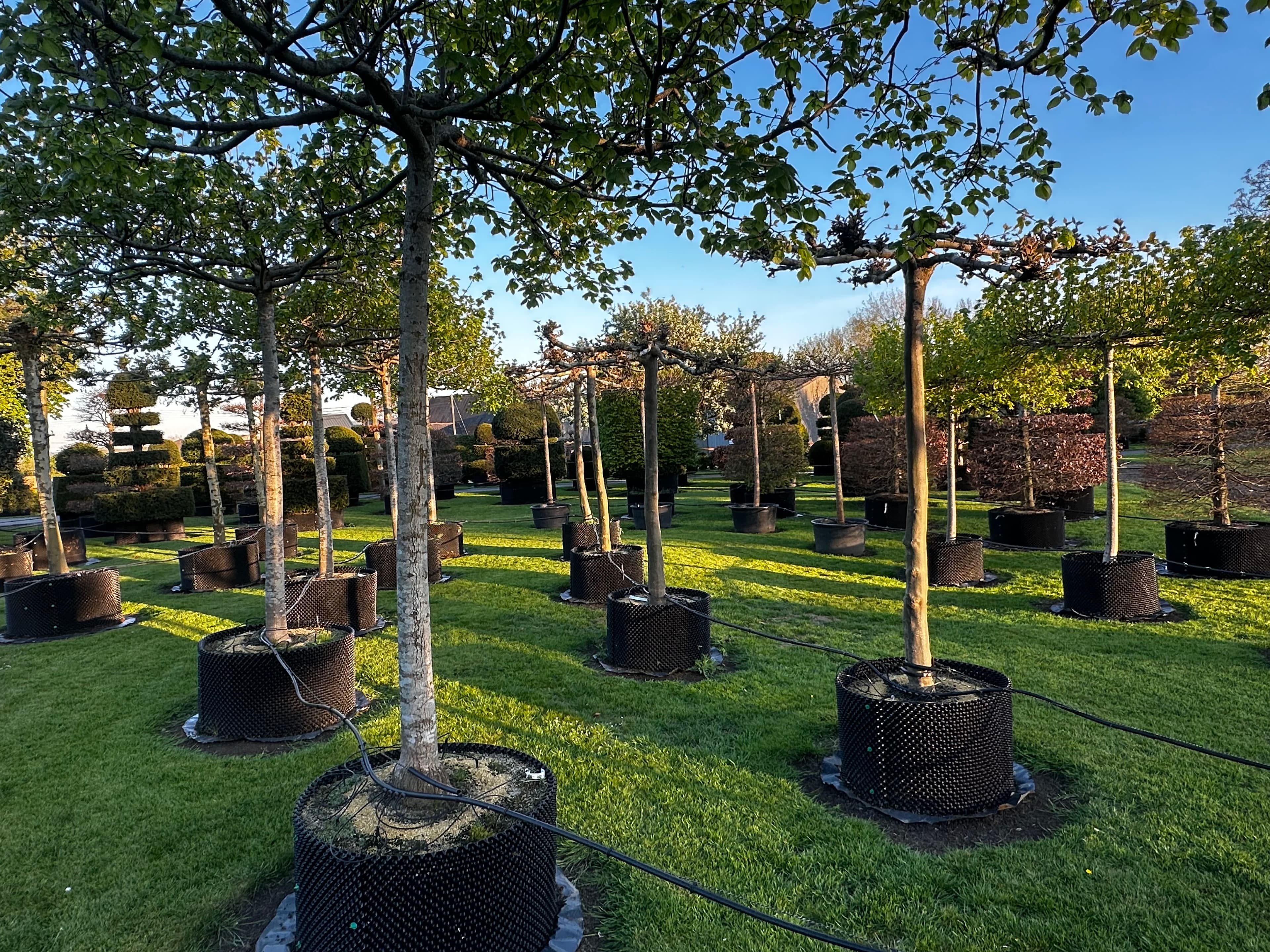
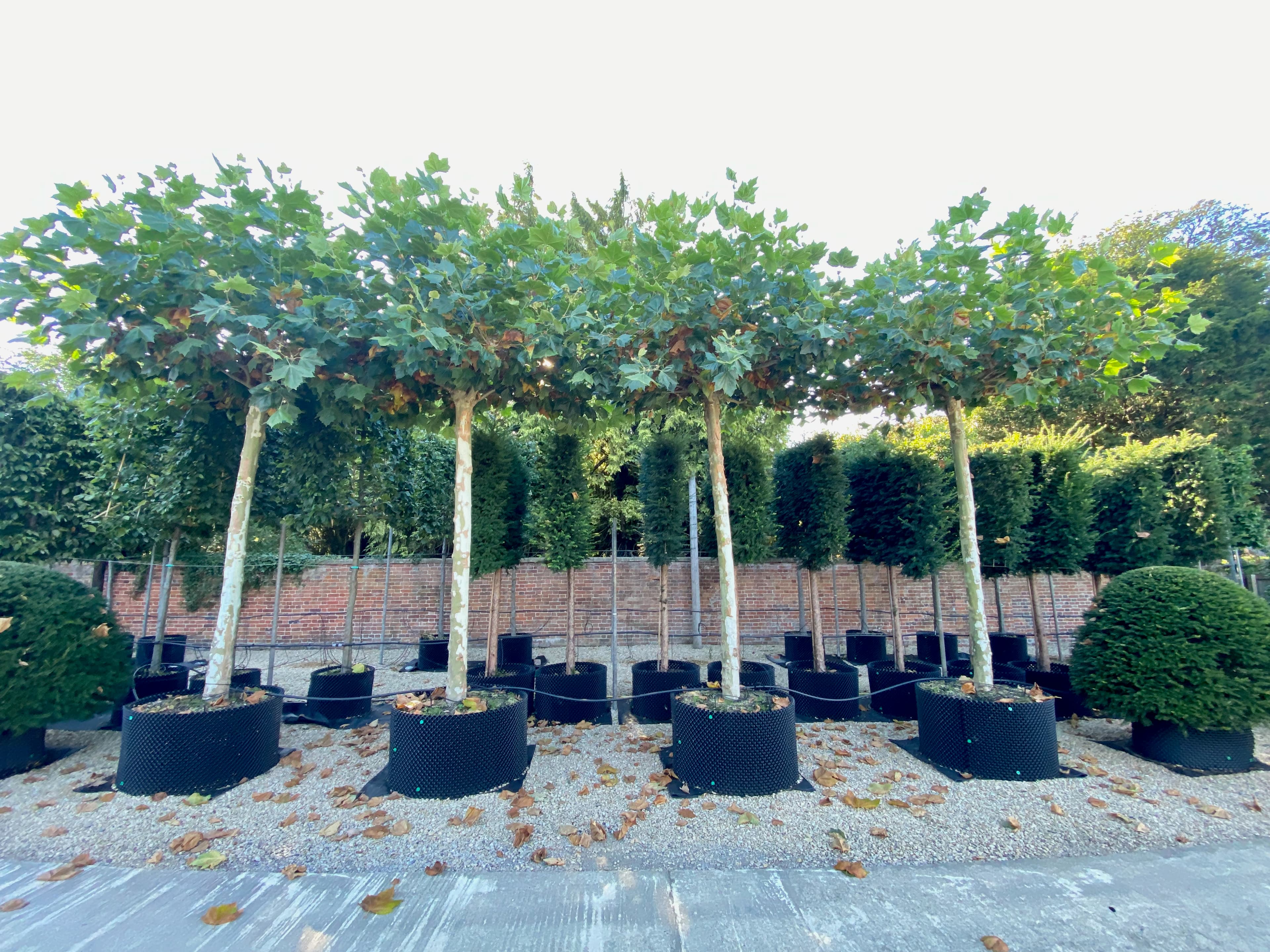
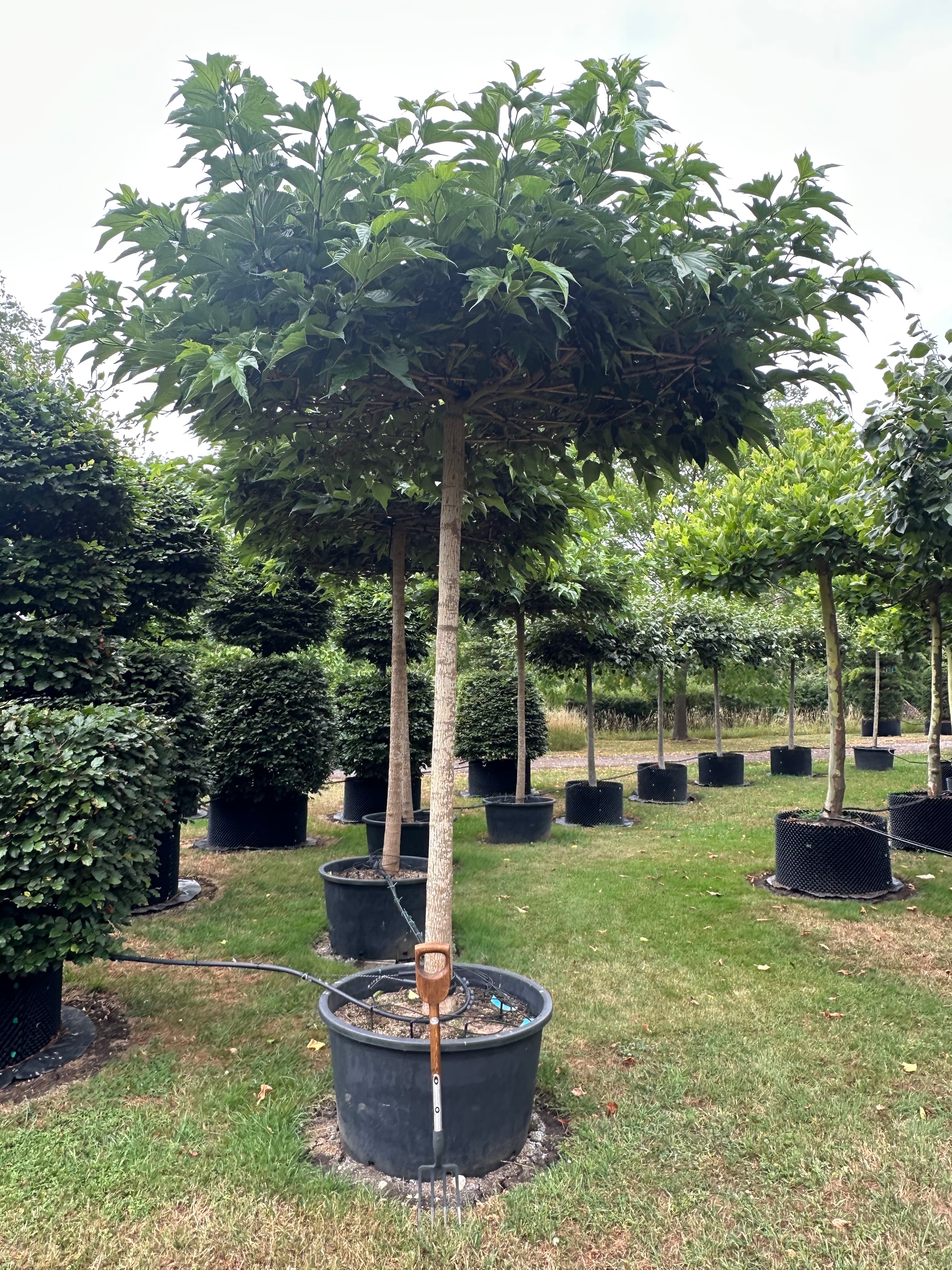
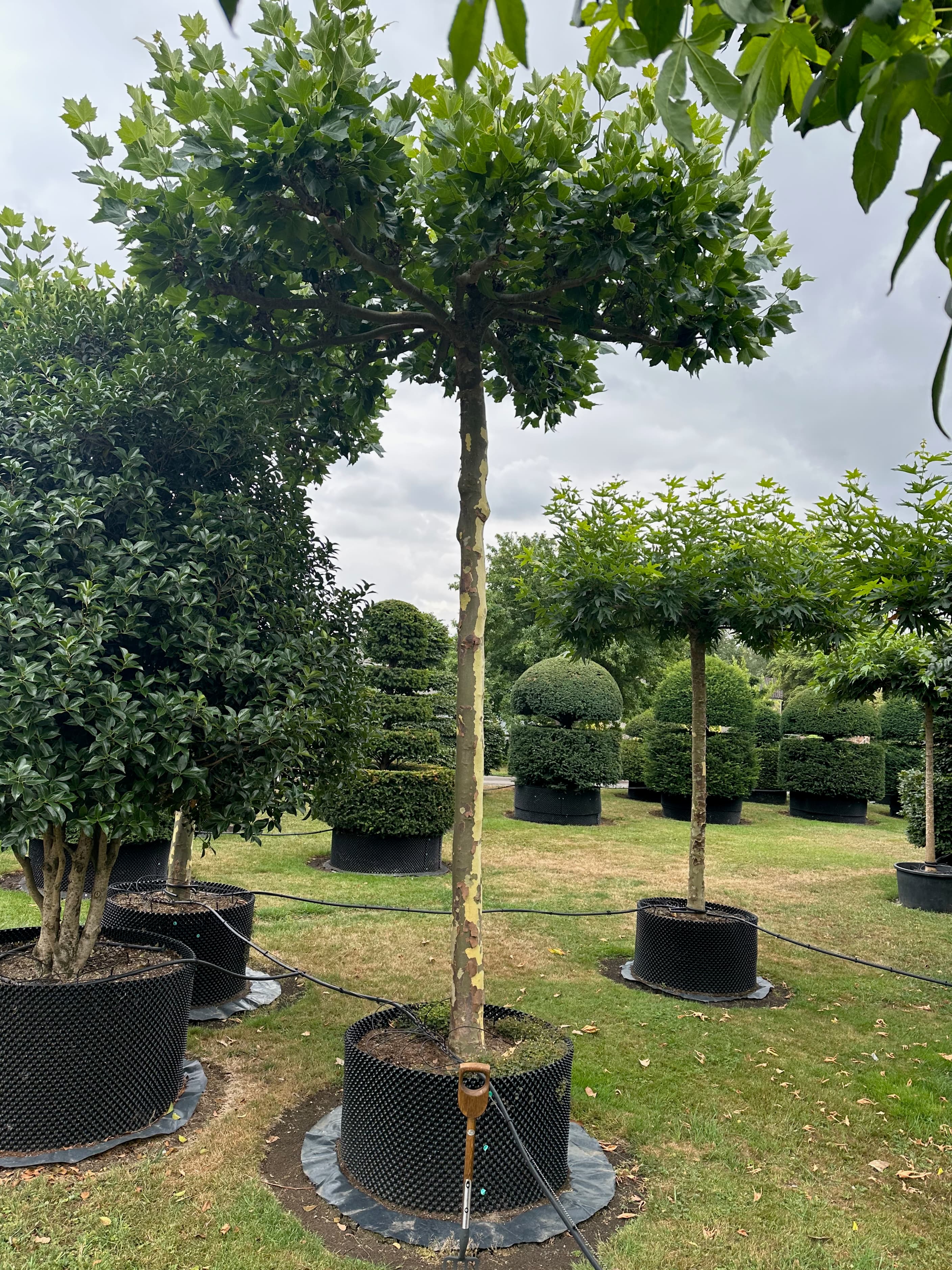
Parasol trees, also known as roof form, roof top or umbrella shape trees, are single stem trees trained and maintained to form distinctive flat canopies. Through careful pruning and structural training over many years, each parasol and roof tree is developed into a precise architectural form, creating a strong horizontal presence within the landscape.
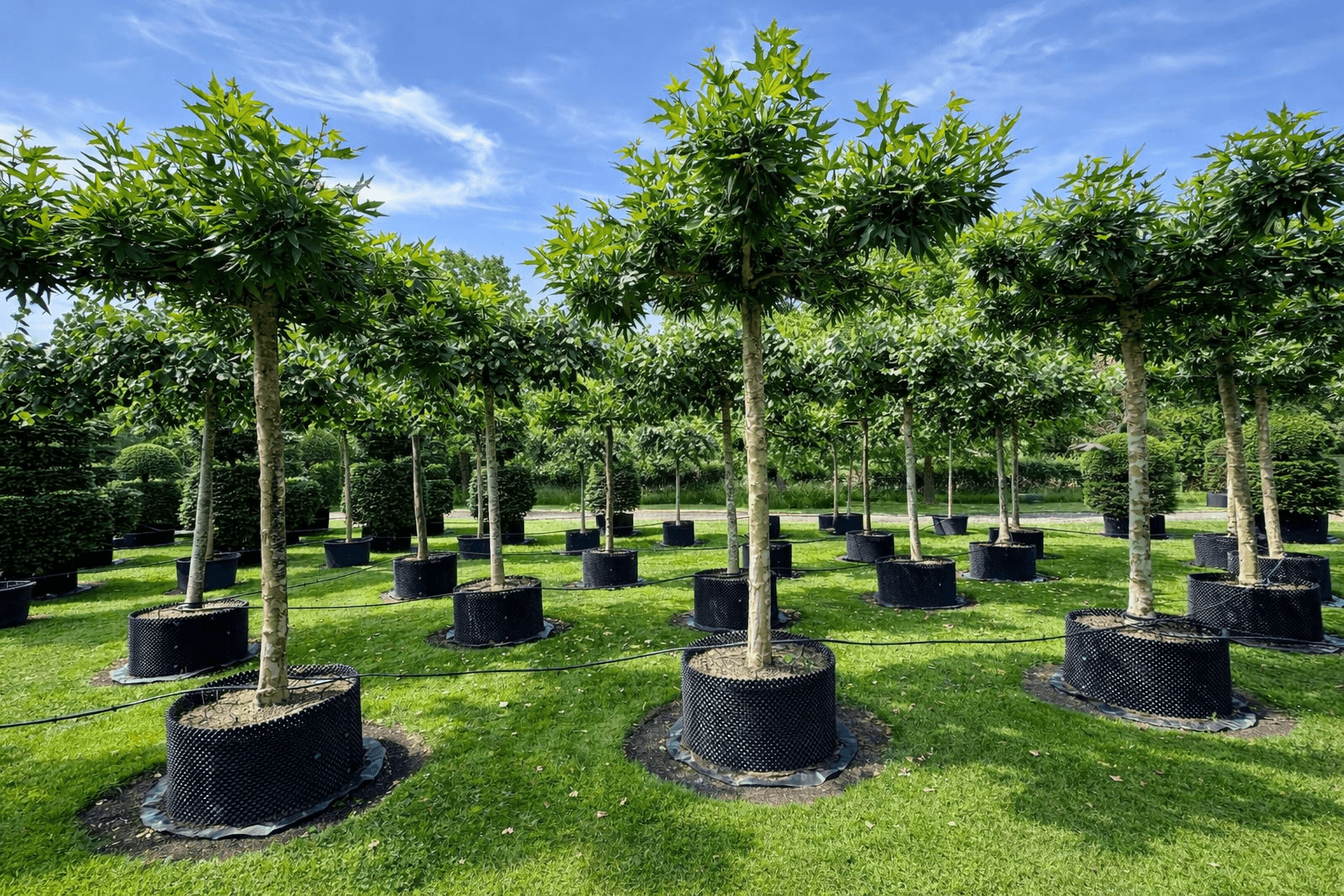
Ideal for terraces, courtyards and garden seating areas; they are widely used to create natural shade, privacy and focal points. Often used in place of pergolas or built structures, these canopy trees bring year-round interest and are particularly effective in urban and residential settings where space is limited, but impact is important.
Interested in our Parasol Trees?
Every project begins with a conversation — contact us to discuss your requirements. Nursery visits are available on request.




Frequently Asked Questions
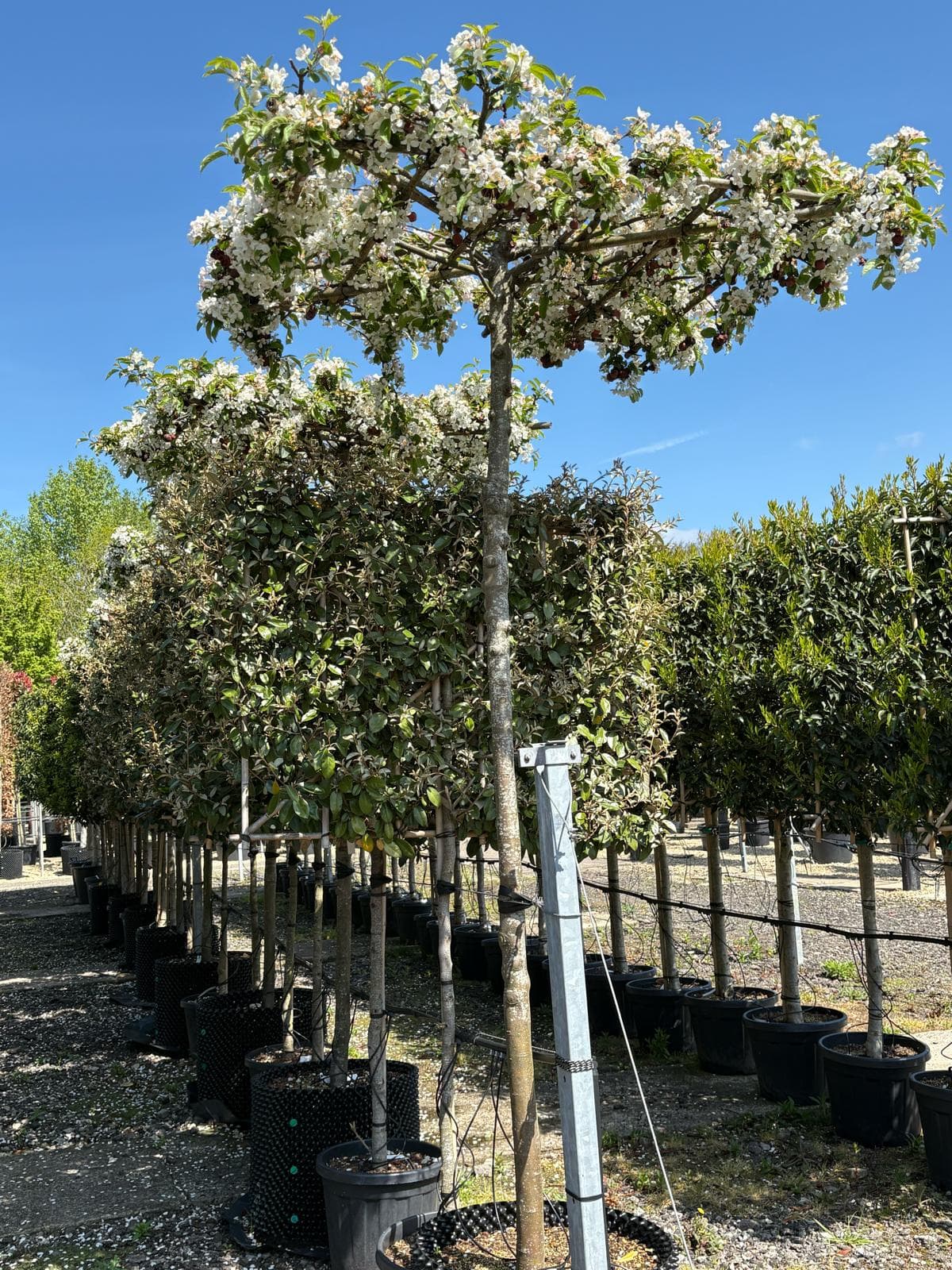
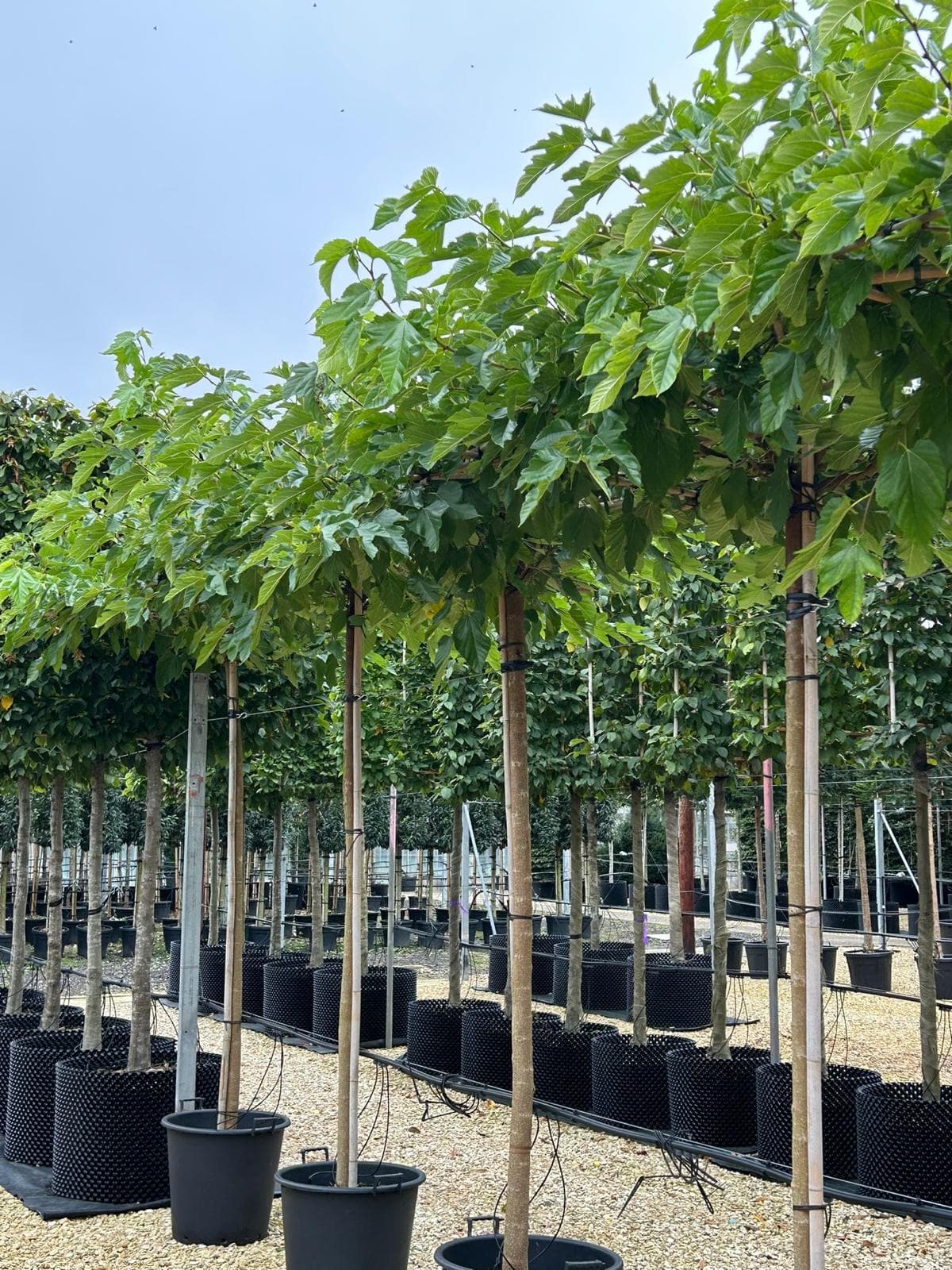
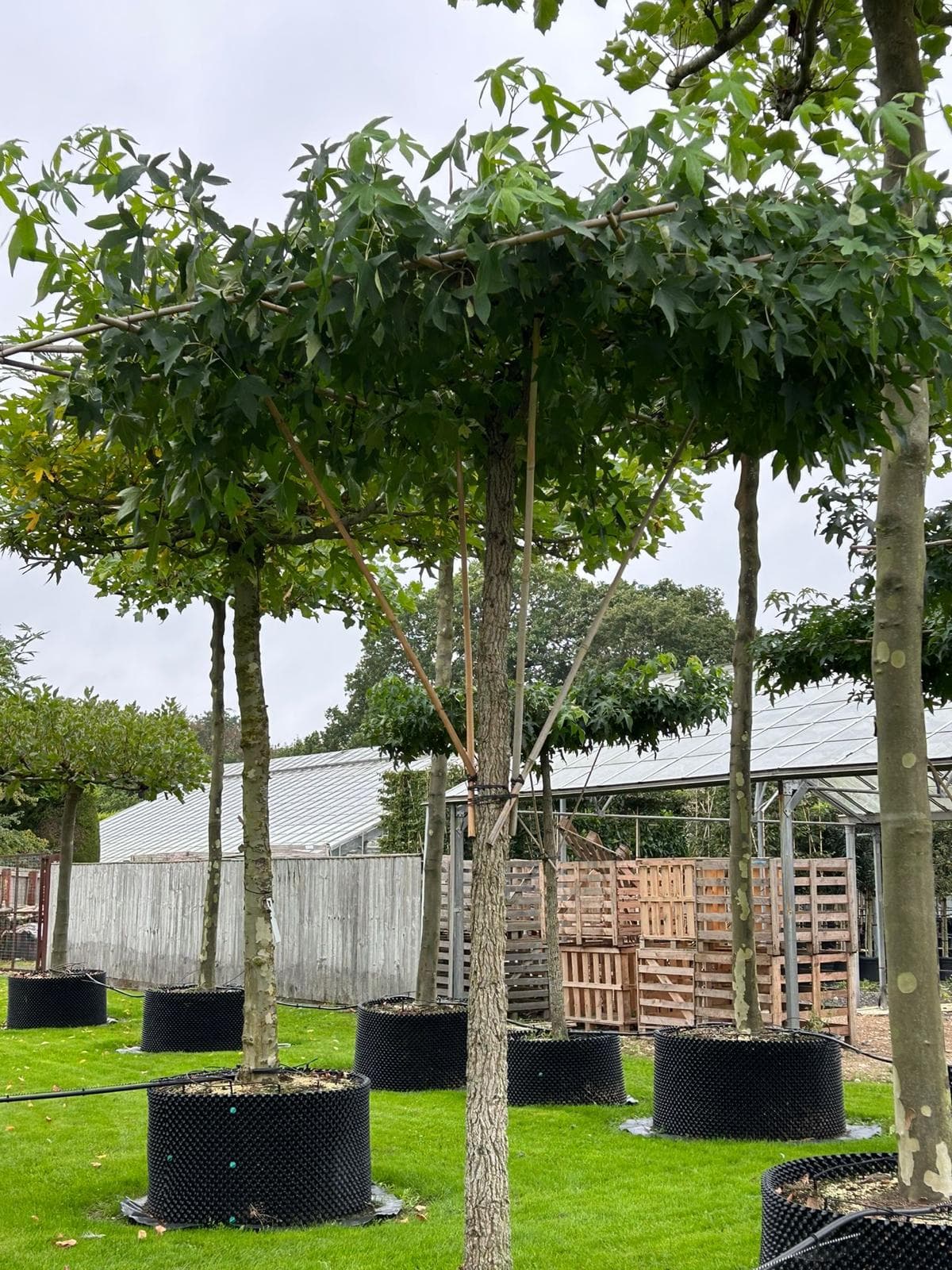
Parasol trees — also known as roof form, roof top or umbrella shape trees — are single-stemmed trees that have had their central leaders cut away to leave a crown. The remaining lateral branches are then trained over a bamboo or steel frame to create a horizontal screen, producing an umbrella or parasol effect. Clients tend to use them instead of pergolas and arbours to offer cool shade in the summer months.
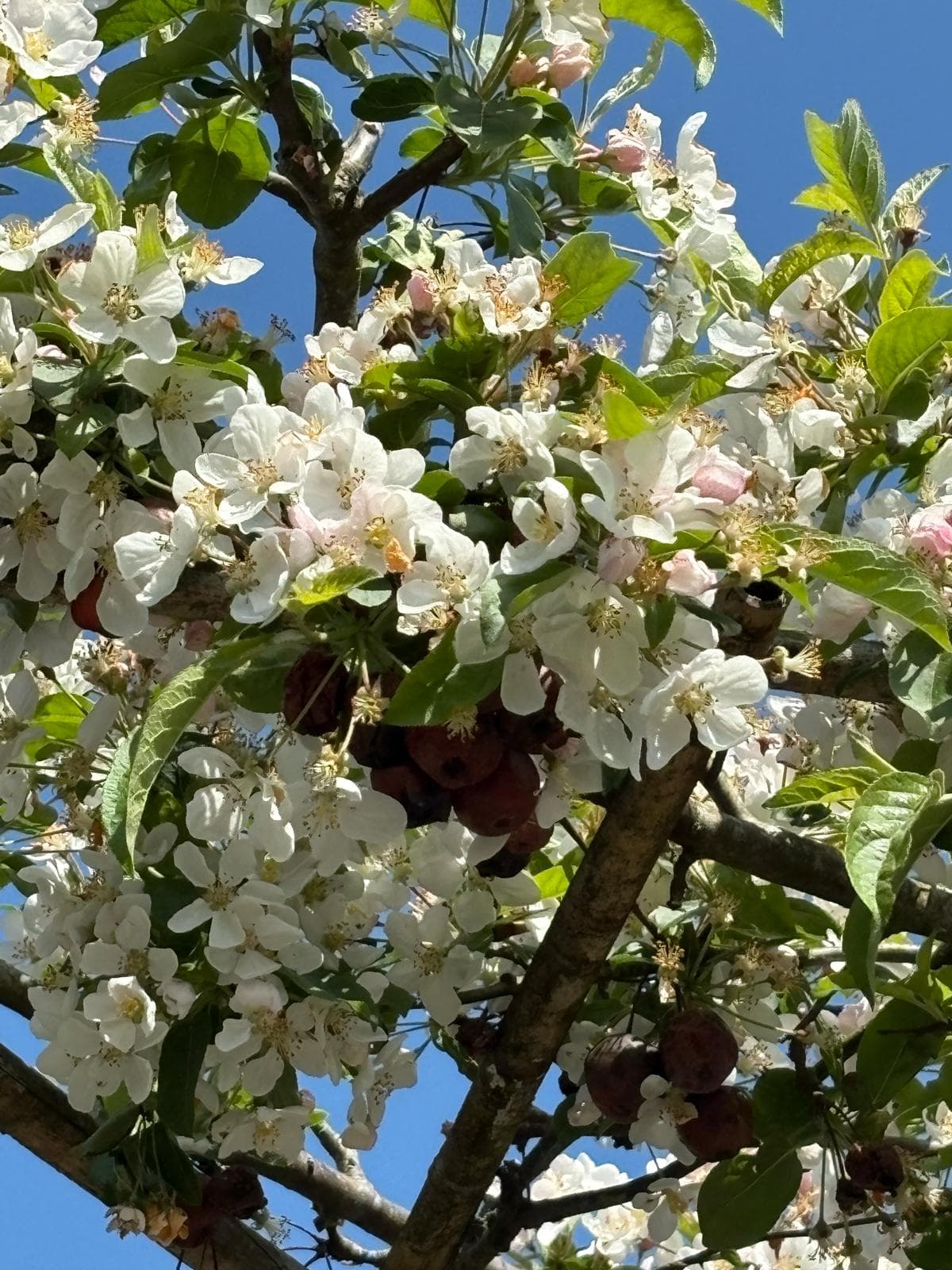
Available species include Plane (Platanus orientalis ‘Minaret’), Pin Oak (Quercus palustris), Liquidambar (several varieties including Silver King, Palo Alto and Worplesdon), Hornbeam (Carpinus betulus), Crab Apple (Malus ‘Evereste’), Mulberry (Morus alba ‘Macrophylla’), Pear (Pyrus calleryana ‘Chanticleer’), Lime (Tilia europaea ‘Pallida’), and Evergreen Oak (Quercus ilex). Deciduous trees are the most popular as they allow light through in winter while offering cover in summer.
While pleached trees create a flat vertical screen on stilts (like a hedge in the air), parasol trees create a flat horizontal canopy — like a living roof or umbrella. Both are trained on frames over several years, but the orientation of the canopy is fundamentally different. Parasol trees provide overhead coverage rather than lateral screening. They are typically planted in a square or rectangular pattern.
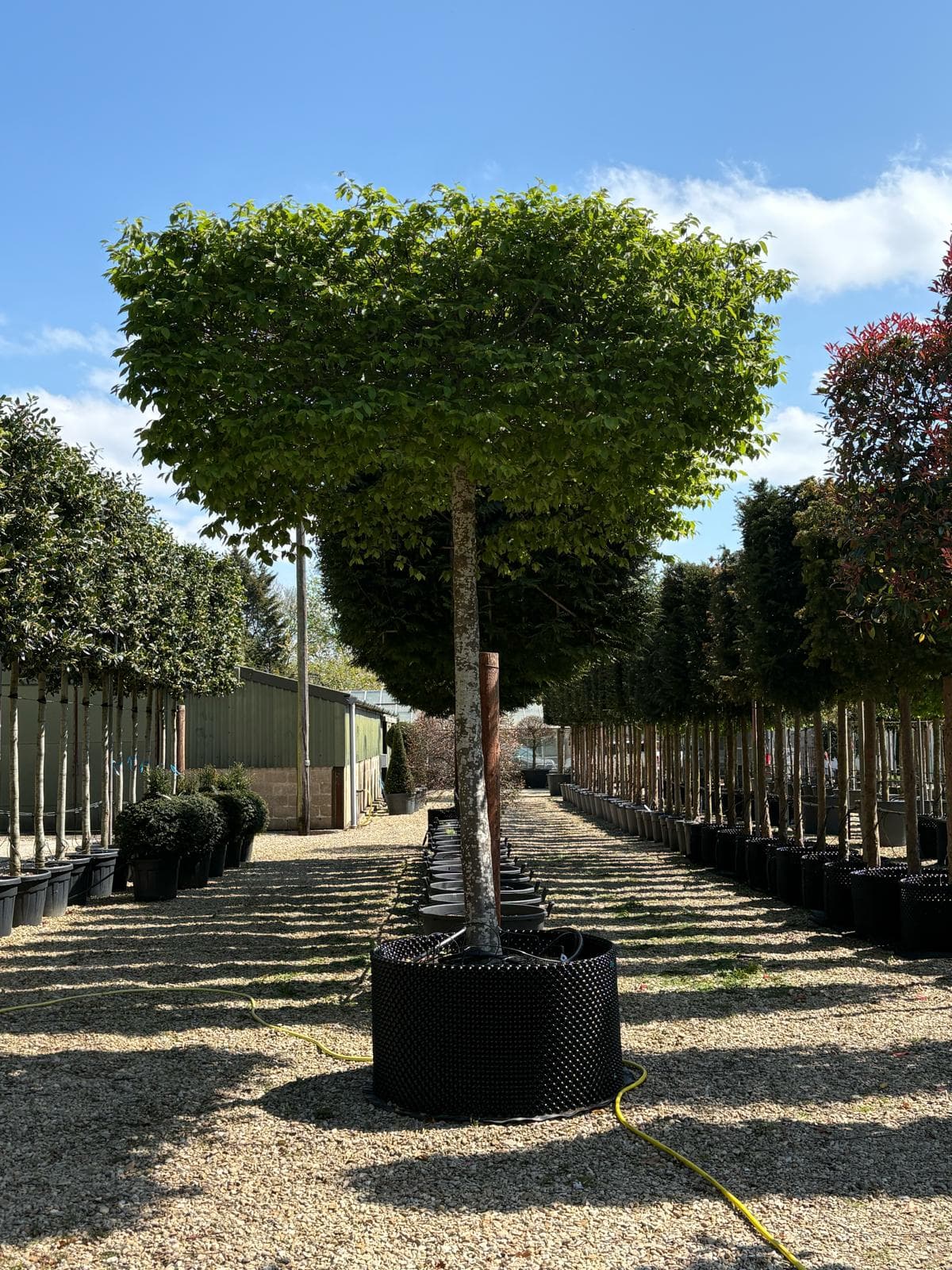
Stem heights start at around 230 centimetres, which allows good head clearance below the canopy. They are ideally suited to being placed on terraces or areas close to the house, where outdoor furniture and dining tables can be placed beneath them. Uplights are regularly used to illuminate the trees at night.
The aim is to clip lightly once or twice during the growing season to retain the shape of the crown. Once a season, prune back the previous year's growth, leaving the original leaders in place — over time these leaders can be left to grow to the desired length. Some species such as Limes, Mulberries and Planes enjoy being managed heavily, while Hornbeam looks better left with a dense network of branches. We supply detailed feed and watering instructions with every tree.